

WASHINGTON, UNITED STATES
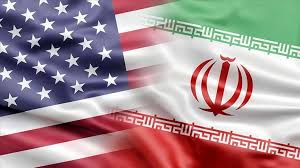
The United States has warned that reaching a peace agreement with Iran remains extremely difficult, as mounting tensions over the Strait of Hormuz, nuclear restrictions and economic sanctions threaten to derail diplomatic efforts to end the eight-month conflict.
US Secretary of State Marco Rubio said Washington would maintain economic pressure on Tehran until Iranian forces stop targeting commercial vessels navigating the strategically important waterway. His remarks came amid renewed fears of military escalation, with American and Iranian officials remaining sharply divided over the conditions necessary for negotiations.
Iranian Foreign Minister Abbas Araghchi responded that the Strait of Hormuz would remain effectively closed until Washington accepted Tehran’s demands, although indirect diplomatic contacts were continuing through Pakistan and Qatar. The standoff intensified Tuesday when Iranian President Masoud Pezeshkian met Pakistan’s army chief, Field Marshal Asim Munir, in Tehran to discuss efforts to revive stalled negotiations.
Iranian officials insisted that direct talks with Washington would not resume until the United States addressed seven conditions, including lifting its maritime blockade, easing restrictions on Iranian oil exports and ending regional hostilities. Tehran has also rejected American demands to transfer its highly enriched uranium abroad, maintaining that its nuclear programme serves peaceful purposes.
Washington and Israel have repeatedly challenged that claim, citing Iran’s advanced uranium enrichment activities and concerns over potential nuclear weapons development. The diplomatic confrontation follows months of hostilities that began with US-Israeli strikes against Iran in February 2026. An interim agreement negotiated through Pakistani mediation in June subsequently collapsed as military operations resumed.
The conflict has severely disrupted shipping through the Strait of Hormuz, a crucial passage for global energy supplies, contributing to rising oil prices and international economic uncertainty. Brent crude traded near $110 per barrel as markets reacted to renewed threats against commercial shipping and the absence of a diplomatic breakthrough.
Meanwhile, Iranian officials have expressed deep distrust of Washington, accusing the Trump administration of undermining earlier negotiations through military action. President Donald Trump has continued threatening renewed strikes if Iran refuses to accept American conditions.
Diplomatic observers warn that disagreements over sanctions, nuclear capabilities and freedom of navigation present formidable obstacles to peace. With neither side showing willingness to make major concessions, mediators face an increasingly difficult task. For the wider Middle East, the failure to secure an agreement risks further military confrontation, economic instability and disruption to global energy markets.



















