

MIAMI, UNITED STATES
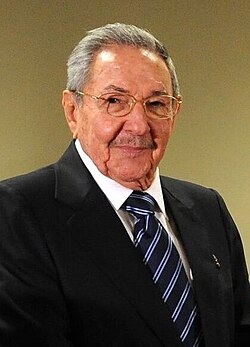
Florida authorities have issued an arrest warrant for former Cuban President Raúl Castro, accusing the 95-year-old of involvement in the 1996 shooting down of two unarmed civilian aircraft that killed four people, reopening one of the most contentious chapters in US–Cuba relations. Florida Attorney General James Uthmeier announced the warrant on Monday, October 19, confirming that Castro faces a state charge of conspiracy to commit first-degree murder.
The warrant, signed by Miami-Dade Circuit Court Chief Judge Ariana Fajardo Orshan, follows a federal indictment issued in May 2026 over the same incident. The case dates back to February 24, 1996, when Cuban fighter jets shot down two aircraft belonging to Brothers to the Rescue, a Miami-based humanitarian organisation that searched for Cuban migrants attempting dangerous sea crossings. The victims were Carlos Costa, Pablo Morales, Mario de la Peña and Armando Alejandre Jr.
American investigators maintain that the aircraft were flying over international waters when Cuban MiG fighter jets launched missiles without warning. At the time, Castro served as Cuba’s defence minister and first vice-president under his brother, Fidel Castro. Florida prosecutors allege that he authorised the operation after Cuban intelligence agents infiltrated Brothers to the Rescue and supplied information about its flight activities.
Uthmeier described the warrant as a significant step towards accountability, arguing that the passage of three decades should not prevent authorities from pursuing justice. The latest charges follow a federal indictment accusing Castro and five former Cuban military personnel of murder, conspiracy and destruction of aircraft.
However, significant legal obstacles remain. Castro currently resides in Cuba, and American authorities have acknowledged that bringing him before a US court would be difficult. Officials argue that the warrant could nevertheless restrict his international travel and expose him to possible arrest in countries willing to cooperate with American extradition requests.
Cuban President Miguel Díaz-Canel strongly rejected the allegations, describing the proceedings as politically motivated and lacking legal justification. The development comes amid worsening diplomatic relations between Washington and Havana, intensified by American economic restrictions and growing political pressure on Cuba’s government. Castro governed Cuba until 2018 and retired as Communist Party leader in 2021, although he remains an influential political figure. For families of the four victims, the renewed prosecution represents another attempt to secure accountability. Whether Castro will ever face trial remains uncertain, and the accusations have not been proven in court.



















