

ADEN, YEMEN
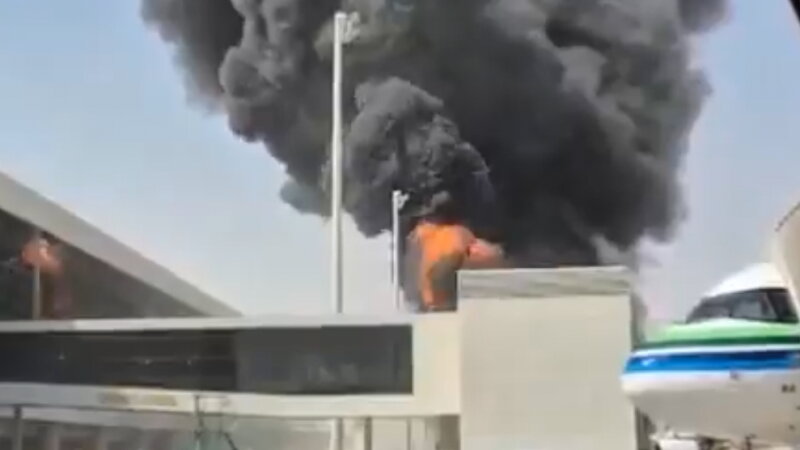
Iran has strongly denied allegations that it is orchestrating a wave of Houthi attacks against Saudi Arabia, as two missiles struck Yemen’s Aden International Airport, intensifying fears of a broader regional confrontation. The missiles hit the airport late Friday, October 16, marking the second attack on the facility in less than ten days. Yemeni authorities reported no casualties, although the strikes landed approximately 500 metres from a Yemenia Airways aircraft preparing for departure, forcing the evacuation of passengers.
Houthi rebels claimed responsibility, insisting their intended target was a nearby military command centre and weapons depot allegedly used by Saudi-led coalition forces. Yemen’s internationally recognised government condemned the assault, accusing the group of deliberately endangering civilian aviation and critical infrastructure. The latest escalation followed Thursday’s deadly missile and drone attack on Aden’s presidential palace complex, which killed five people and wounded 16 others. Government officials confirmed that senior cabinet members escaped unharmed. Meanwhile, Tehran rejected Saudi accusations that Iranian authorities were directing the Houthi military campaign.
Iranian Foreign Ministry spokesman Esmaeil Baqaei maintained that the Houthis make their own operational decisions based on their interests and strategic assessments. He dismissed allegations of Iranian involvement and warned that further escalation would serve neither regional security nor the interests of the parties involved. Tehran also reiterated its willingness to facilitate negotiations between Saudi Arabia and the Houthis.
However, Riyadh continues to accuse Iran of supplying military assistance and encouraging attacks against Saudi infrastructure. Saudi military officials reported repeated missile and drone strikes targeting airports, energy installations and other strategic facilities, including Riyadh’s King Khalid International Airport. The renewed fighting comes amid the collapse of the relative calm established by Yemen’s 2022 truce.
Houthi forces have recently advanced along Yemen’s Red Sea coastline, increasing pressure around the Bab al-Mandeb Strait, a critical maritime passage connecting global trade routes. The escalation threatens commercial shipping, international aviation and energy infrastructure, while placing additional pressure on civilians already devastated by years of conflict.
Humanitarian organisations have warned that renewed military operations could deepen displacement, disrupt essential supplies and worsen Yemen’s fragile humanitarian situation. With diplomatic initiatives struggling to contain the violence, growing tensions between Tehran and Riyadh threaten to complicate efforts to negotiate a lasting settlement. For millions of Yemenis, the latest confrontation raises the prospect of another prolonged military crisis, with potentially devastating consequences for regional stability and international trade.



















