

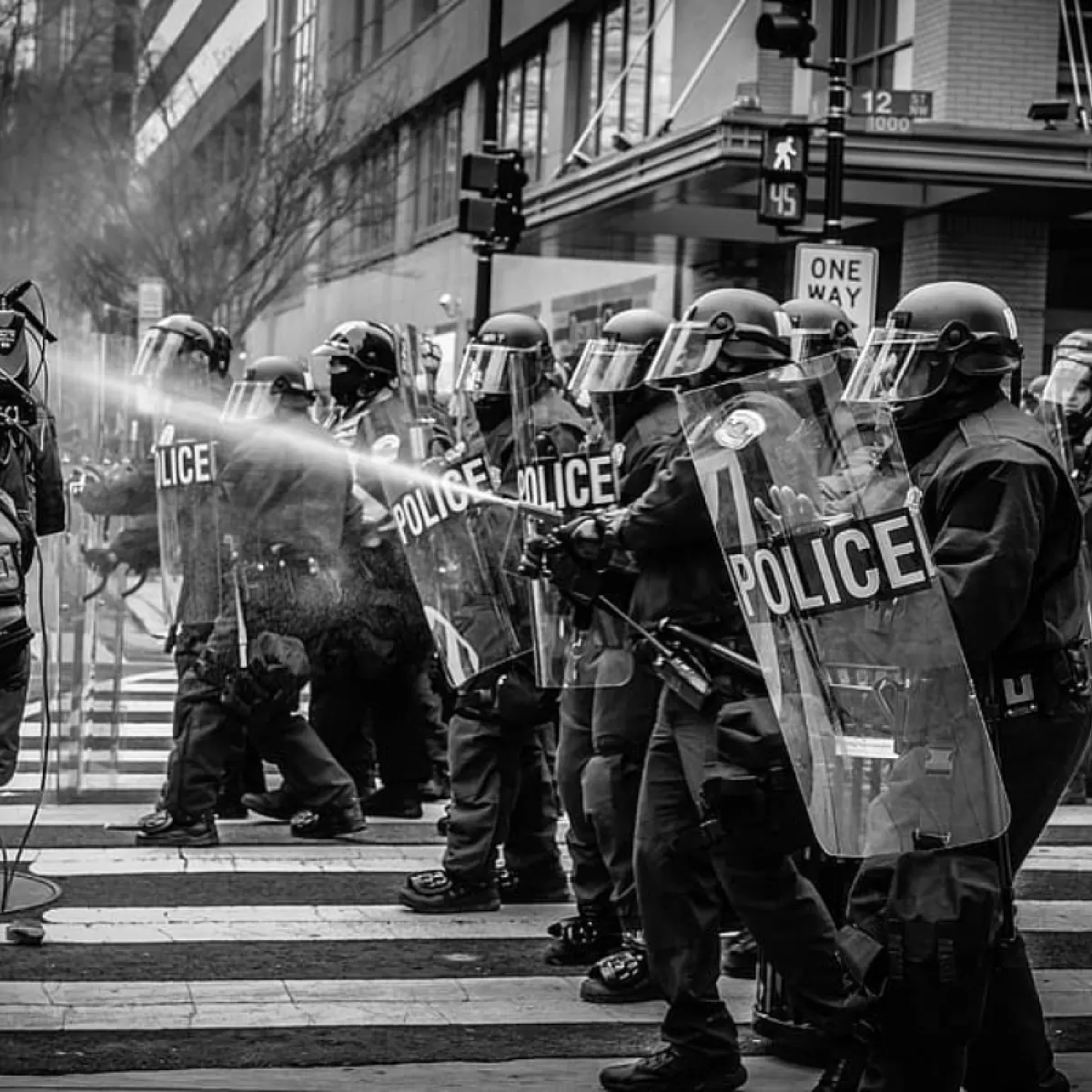
NEW DELHI, INDIA — Indian authorities have deployed thousands of police and paramilitary personnel across New Delhi, restricted public transportation and detained protesters in an extensive security operation aimed at preventing mass demonstrations over alleged electoral irregularities. The unprecedented restrictions were imposed on Saturday, October 10, as the youth-led Cockroach Janta Party (CJP) prepared to stage a major protest demanding the resignation of Chief Election Commissioner Gyanesh Kumar.
Organisers accused the Election Commission of undermining democracy through a controversial nationwide voter-roll revision that has resulted in more than 130 million names being removed from electoral registers. Critics argue that the exercise disproportionately affects minority communities and opposition supporters, potentially benefiting Prime Minister Narendra Modi’s ruling Bharatiya Janata Party (BJP).
However, the Election Commission maintains that the revision is necessary to remove duplicate registrations, deceased voters and ineligible individuals. The BJP has rejected allegations of electoral manipulation, accusing opposition groups of spreading misinformation. Security forces erected multiple barricades around Jantar Mantar, a traditional protest location in central Delhi, while authorities restricted access to surrounding roads.
Operations at 57 metro stations were disrupted, several train services were cancelled, and mobile internet access was suspended in parts of the capital.
Police said permission for the demonstration had been denied because organisers failed to meet procedural requirements and allegedly violated previous commitments. Despite the restrictions, protesters attempted to gather at several locations, prompting widespread detentions. Reuters reported that more than 2,000 demonstrators were detained, including CJP founder Abhijeet Dipke, although other reports cited higher figures.
Protest organisers accused authorities of suppressing peaceful assembly and demanded the immediate release of detained activists. The movement gained momentum following reports that senior Election Commission officials had repeatedly raised internal objections to the voter-roll revision process. Student organisations and opposition figures have since joined calls for an independent investigation and greater transparency. India’s Supreme Court also questioned the sweeping transport restrictions, indicating that essential services should not be completely suspended.
The escalating confrontation comes ahead of important state elections scheduled for 2027, intensifying scrutiny of India’s electoral institutions. While authorities insist the security measures are necessary to maintain public order, civil rights advocates warn that widespread detentions and restrictions could undermine freedom of assembly. The demonstrations highlight deepening disagreements over electoral transparency, democratic accountability and citizens’ right to protest. With organisers promising further mobilisation, tensions remain high across the Indian capital.



















