

PANAMA CITY, PANAMA — Panama has declared a state of emergency after two powerful earthquakes struck the Central American nation on Friday, October 9, injuring at least 27 people, damaging hundreds of buildings and forcing thousands of residents into the streets.
The initial earthquake, measuring magnitude 7.7 according to the United States Geological Survey (USGS), struck near Pitaloza Arriba in Herrera province, at a depth of approximately 12.6 kilometres. A second powerful tremor, measuring magnitude 6.6, followed as dozens of aftershocks spread fear across affected communities. The earthquakes shook buildings in Panama City, prompting residents, office workers and shoppers to evacuate. Tremors were also felt in neighboring Colombia, while emergency officials began assessing damage across Panama’s provinces.
In Penonomé, part of a cathedral collapsed, including one of its spires, while a nearby hotel sustained significant structural damage. Homes, schools, churches and healthcare facilities were also damaged, particularly in Herrera, Veraguas, Coclé and Los Santos provinces.
Authorities reported damage to approximately 420 homes and a similar number of schools, alongside affected bridges, roads and historic buildings. The earthquakes also disrupted electricity supplies and damaged infrastructure supporting Panama City’s water treatment system. Tocumen International Airport temporarily suspended operations before reopening, while the Panama Canal continued functioning normally despite the powerful tremors.
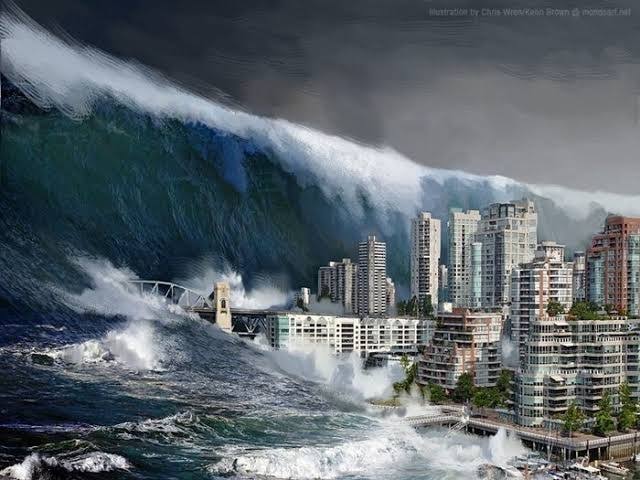
Tsunami warnings initially issued for Panama and neighbouring Pacific coastal areas were subsequently lifted after monitoring agencies assessed the threat.
Panamanian President José Raúl Mulino urged citizens to remain calm while emergency teams inspected damaged structures and assisted affected communities. Although at least 27 injuries were reported, authorities had confirmed no fatalities as of Saturday’s latest assessments.
Approximately 300 people were evacuated from Isla Caña following concerns about rising sea levels. The government also established emergency shelters and mobilised rescue personnel to reach isolated communities. International assistance has begun arriving, with the United States pledging $5 million to support emergency relief efforts.
Panama lies along the Pacific Ring of Fire, a highly active geological region responsible for many of the world’s earthquakes and volcanic eruptions. Experts warn that further aftershocks remain possible, particularly near the epicentre. Authorities have advised residents to avoid damaged buildings, monitor official alerts and follow emergency instructions. With rescue operations continuing, attention is shifting towards restoring essential services and assessing the full economic impact of one of Panama’s strongest recent earthquakes.



















