

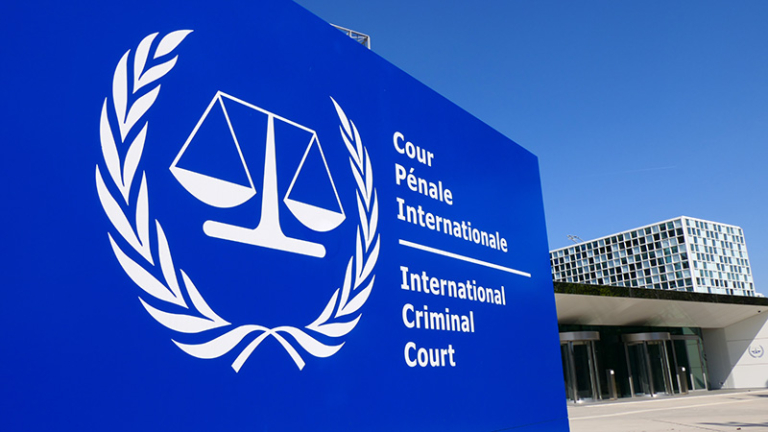
THE HAGUE, NETHERLANDS — European nations, Canada, Japan and the United Nations have strongly condemned sweeping American sanctions against the International Criminal Court (ICC), warning that Washington’s decision threatens international justice and could severely disrupt investigations into war crimes and crimes against humanity.
The diplomatic backlash followed an announcement on Friday, October 9, by US Secretary of State Marco Rubio, who confirmed new restrictions targeting the Hague-based tribunal. Rubio accused the court of exceeding its authority by pursuing nationals of countries that have not joined the institution, including the United States and Israel. Washington imposed financial restrictions on the ICC, although a six-month transition period and exemptions for certain essential services were introduced.
The sanctions are scheduled to take full effect on April 9, 2027, unless the dispute is resolved.
In a joint statement, the foreign ministers of Britain, France, Germany, Italy, Denmark, the Netherlands, Canada and Japan rejected the measures, reaffirming their commitment to the court’s independence. They warned that implementing the sanctions would significantly affect judicial operations and place additional pressure on employees and their families. The eight countries pledged to defend the tribunal while maintaining dialogue with Washington ahead of December’s Assembly of States Parties.
United Nations Secretary-General António Guterres expressed deep alarm, warning that the decision could undermine international efforts to hold perpetrators of serious crimes accountable. UN human rights chief Volker Türk also demanded immediate measures to protect the institution. The ICC condemned the restrictions as an attack on judicial independence and urged its 125 member states to safeguard its operations.
Belgium called for stronger European intervention, including possible activation of the European Union’s blocking legislation to shield businesses cooperating with the court. Meanwhile, Israeli Prime Minister Benjamin Netanyahu welcomed the sanctions, arguing that the tribunal threatens national sovereignty.
The ICC issued arrest warrants in November 2024 for Netanyahu and former Israeli Defence Minister Yoav Gallant over alleged war crimes and crimes against humanity in Gaza. Both reject the allegations. Human rights organisations, including Amnesty International and Human Rights Watch, accused Washington of attempting to weaken international accountability.
Established in 2002, the ICC prosecutes individuals accused of genocide, war crimes, crimes against humanity and aggression when national authorities are unwilling or unable to act.
The United States and Israel are not members.
The confrontation has exposed deep divisions between Washington and traditional allies over international law, sovereignty and accountability. With sanctions approaching implementation, European governments face growing pressure to translate diplomatic support into practical protections for the court.



















