

JOHANNESBURG, SOUTH AFRICA — South African authorities have intensified security operations in Johannesburg and Durban following two days of violent anti-immigrant protests that left vehicles destroyed, foreign-owned businesses looted and several communities gripped by fear.
Police and soldiers were deployed to affected neighbourhoods on Friday, October 9, as demonstrators clashed with security forces over government plans to expand access to asylum applications. The unrest erupted after misinformation spread about a Constitutional Court ruling allowing asylum seekers to submit applications regardless of whether they entered South Africa with valid immigration documents.
False claims that undocumented migrants would automatically receive legal residency triggered widespread anger among anti-immigration campaigners.
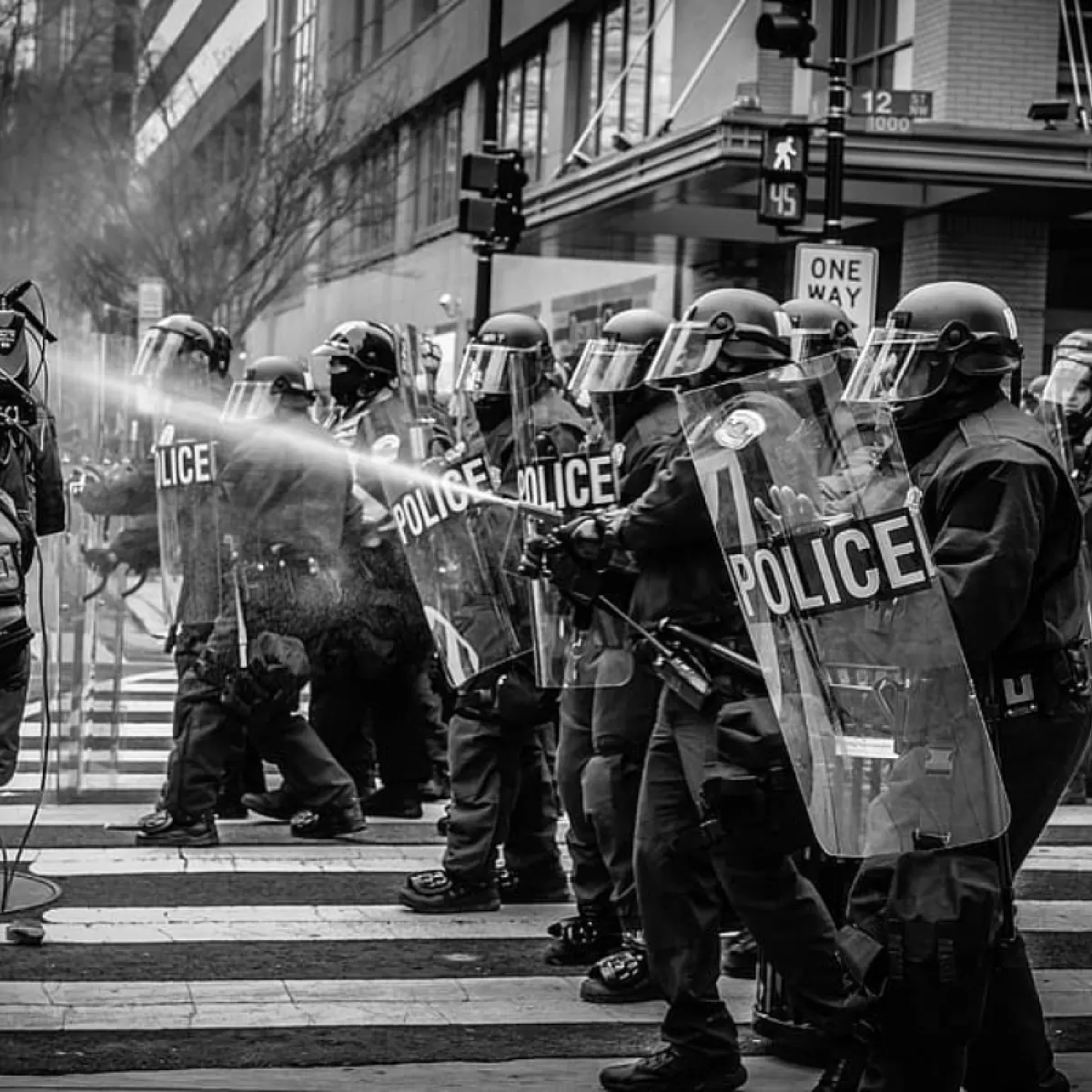
Protesters blocked roads, attacked foreign nationals, hurled bricks and bottles, and set vehicles ablaze as demonstrations spread through parts of Soweto and Durban. Police responded with tear gas and stun grenades, while additional officers were deployed to prevent further attacks.
Authorities confirmed that at least 24 vehicles were torched, including 10 in Soweto and 14 in Durban, alongside reports of damaged buildings and looted businesses.
Acting National Police Commissioner Lieutenant-General Puleng Dimpane condemned the violence, warning that those responsible for criminal acts would face prosecution. The government also defended the court ruling, explaining that allowing individuals to apply for asylum does not guarantee approval or automatically legalise their immigration status.
However, mounting tensions forced the Department of Home Affairs to withdraw its controversial implementation directive on Friday. Officials announced plans to develop a revised framework that complies with the court ruling while addressing security and administrative concerns.
Anti-immigration organisations, including March and March and Operation Dudula, have intensified campaigns demanding stricter border controls and the deportation of undocumented migrants. Their activities have heightened fears among foreign communities, particularly migrants from other African countries.
South Africa has experienced repeated outbreaks of xenophobic violence, often linked to unemployment, poverty and competition over limited economic opportunities. With unemployment exceeding 30 percent, immigration has become an increasingly contentious issue ahead of November’s local government elections.
Human rights organisations have warned against blaming migrants for broader economic challenges and urged authorities to protect vulnerable communities. Security personnel remain on heightened alert in affected areas as investigators pursue those responsible for arson, intimidation and attacks. The government faces growing pressure to restore public order while ensuring that immigration enforcement respects constitutional protections and human rights.



















