

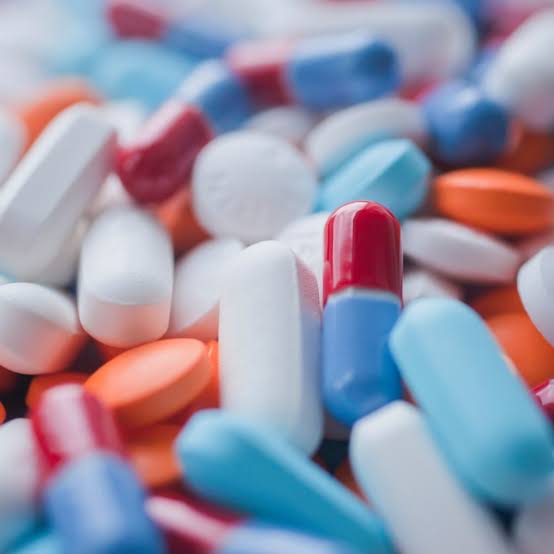
Nollywood actresses Ngozi Ezeonu, Ruth Kadiri and Mary Remmy Njoku have challenged Nigeria’s product-safety regulators over suspected counterfeit goods, calling for stronger inspections and enforcement as concerns about medicines, food and other everyday products spread online.
Ezeonu raised the alarm in a video shared on Instagram in October, appealing to people involved in producing and selling fake medicines to stop putting lives at risk. She also urged regulators to take more decisive action against those responsible.
The veteran actress said she was disturbed by seeing young people suffer from kidney and liver problems. She questioned whether some patients might be receiving medicines that fail to help them recover. However, she did not provide medical evidence establishing that counterfeit drugs caused the illnesses she described.
“If you are one of the people who are doing these fake drugs, please stop.”
Ezeonu also called on the National Agency for Food and Drug Administration and Control (NAFDAC), the Standards Organisation of Nigeria (SON) and the Federal Competition and Consumer Protection Commission (FCCPC) to strengthen monitoring and enforcement.
Her concerns followed a separate appeal by Kadiri, who warned that suspected counterfeit or unsafe products could extend beyond medicines to food, drinks, cosmetics and household goods.
Kadiri described an experience in which garlic she had blended changed colour. She also expressed concern about buying packaged drinks for her children, saying consumers should be able to trust products sold in the market. The colour change alone, however, does not establish that the garlic was fake or unsafe.
The actress urged NAFDAC to step up its checks and called on Nigerians to pay attention to product labels, registration details and expiry dates. She also encouraged consumers to report suspicious goods rather than assume that everything available for sale meets safety standards.
Njoku took a different angle, questioning whether responsibility for product safety was being placed too heavily on ordinary consumers. In a post on Instagram on October 6, she criticised NAFDAC’s leadership and argued that label-checking could not replace proper inspections, testing and enforcement.
Her comments followed remarks by NAFDAC Director-General, Professor Mojisola Adeyeye, in an interview about the agency’s responsibilities and consumers’ understanding of product regulation. The exchange widened the debate over the regulator’s role in preventing unsafe goods from reaching the public.
NAFDAC subsequently clarified that a viral list claiming to identify fake, adulterated or substandard products had not been issued by the agency. It said products must be investigated and, where necessary, sampled and tested before official conclusions are reached. The agency warned against treating unverified online lists as regulatory alerts.



















