

TEHRAN — Hundreds of thousands of Iranians joined a government-organised rally in Tehran on Friday, in the largest such show of mobilisation since the conflict with the United States and Israel began in February.
The demonstration, held under the slogan “Janfaday-e Iran”, meaning “those who sacrifice their lives for Iran,” was aimed at projecting national unity as Tehran faces a US naval blockade, fresh sanctions and mounting pressure over the Strait of Hormuz. Iranian state-linked accounts and international reports said more than 300,000 people took part in the rally.
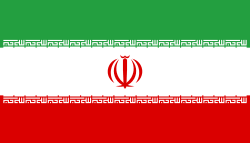
Many demonstrators carried Iranian flags, chanted against the United States and Israel, and rejected the possibility of a peace deal on Washington’s terms. One participant, Morteza Kamalu, dismissed comments by US President Donald Trump that Iranians wanted a deal, saying there could be “no negotiations” with those he accused of killing Iranian leaders.
The rally also featured military hardware, including drones and air-defence systems, in a display intended to underline Iran’s ability to respond to outside pressure. The Associated Press reported that Iran also claimed responsibility on Friday for striking a Togo-flagged tanker in the Strait of Hormuz, warning that vessels using the waterway without authorisation could face further action.
Iranian officials used the event to restate Tehran’s position that it will retain control over the Strait of Hormuz, one of the world’s most important energy corridors. Before the conflict, roughly one-fifth of global oil flows passed through the strait, according to Reuters reporting on regional mediation efforts.
Hossein Taeb, head of Iran’s Basij force, said Iran would defend the Strait of Hormuz and other waterways “with full strength” and force its enemies to leave the region. Another demonstrator, Fatemeh Amiri, said Iranians were ready to fight if the country faced a ground invasion.
The rally came as Iran’s economy faces severe pressure from the US-led blockade and expanded sanctions. Reuters reported earlier this month that the economic campaign has reduced Iran’s leverage over Hormuz and deepened hardship through import disruptions, currency shortages and rising prices.
Analysts say the demonstration served several purposes: rallying supporters, warning external opponents and signalling control after months of war, sanctions and internal strain. The Wall Street Journal reported that the event also coincided with worsening economic conditions and unrest, making it both a foreign-policy message and a domestic show of strength.
Despite a ceasefire still technically in place, tensions remain high. Iran insists it will not surrender control of Hormuz, while the United States has continued using sanctions and maritime pressure to push Tehran toward a broader settlement. For now, Friday’s rally suggests Iran’s leadership is choosing defiance over compromise.



















