WASHINGTON — The United States has announced a new round of sanctions targeting Cuba, including companies in the island’s mining, banking and energy sectors, as President Donald Trump’s administration intensifies economic pressure on Havana.
The US State Department said on Thursday that it was sanctioning Fidel Ernesto Castro Calis, the 31-year-old grandson of former Cuban leader Raúl Castro, along with Banco Exterior de Cuba and four other Cuban entities linked to natural resources and energy. Washington said the measures were aimed at what it described as Cuba’s ruling elite and the financial channels supporting the communist government.
US Secretary of State Marco Rubio defended the sanctions, accusing Cuba’s leadership of presiding over economic collapse while ordinary citizens face severe shortages. He also accused Havana of exporting “subversive Marxist ideology” across the Western Hemisphere, reflecting the Trump administration’s position that Cuba poses a regional security threat.
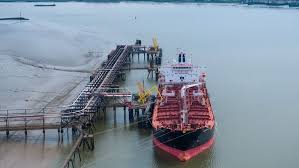
The new designations include two companies in Cuba’s nickel mining sector, two companies operating in the struggling energy sector, including an oil import company, and the state-owned Banco Exterior de Cuba. The US Treasury’s Office of Foreign Assets Control also listed Castro Calis under Cuba-related sanctions authorities.
The sanctions came just hours after Cuban officials announced further economic changes, including measures to loosen state control in tourism and investment. Cuba’s official gazette published 34 pages of new rules allowing private businesses to operate travel agencies and permitting self-employed people to work as tour guides, concessions in a sector long dominated by the state.
The latest reforms follow a broader package of 176 measures announced in June, described by observers as one of the most significant adjustments to Cuba’s socialist economic model since the 1959 revolution. The new rules also make it easier for some investors and businesses to open foreign bank accounts and work more directly with foreign partners.
Havana says the changes are intended to stimulate production, attract investment and ease pressure on an economy battered by shortages, blackouts, falling tourism, low productivity and US restrictions. Cuban Foreign Minister Bruno Rodríguez has accused Washington of inventing security threats as a pretext for tightening pressure on the island.
“The truth is that Cuba does not threaten US national security or the US economy,” Rodríguez said in comments published by state media.
The Trump administration argues that Cuba’s government, not US sanctions, is responsible for the country’s deepening crisis. Since returning to office in January 2025, Trump has expanded measures against Havana, including sanctions on mining and construction entities, travel restrictions and pressure on fuel supplies.
Critics of the US approach say the sanctions worsen hardship for ordinary Cubans. UN human rights officials and humanitarian groups have repeatedly warned that restrictions contribute to shortages of food, medicine, fuel and medical supplies.
The latest sanctions show that Washington is unlikely to ease pressure despite Havana’s reform announcements. For Cuba, the challenge is now twofold: convincing investors that limited market openings are real while facing a US campaign designed to further restrict the island’s access to finance, energy and trade.