

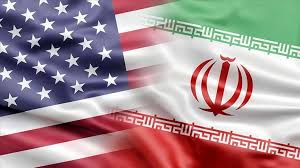
TEHRAN/WASHINGTON — Iranian President Masoud Pezeshkian has called for an end to Iran’s months-long war with the United States, saying Tehran should pursue a settlement while it still holds what he described as a position of “power and dignity.”
Speaking during a meeting with doctors on Friday, Pezeshkian said Iran should seek to conclude the conflict on terms that preserve national honour. “It is better that we bring the war to an end now as we are in a position of power and dignity,” he said, according to Iranian media.
Pezeshkian argued that Iran had withstood American pressure and accused Washington of violating international norms by attacking schools, hospitals and infrastructure. He said global opinion had recognised Iran’s resilience, while insisting that Tehran would not “bow to intimidation.”
His comments come days after the expiration of a 60-day memorandum of understanding between Iran and the United States. The interim deal, signed in June, was intended to reduce hostilities, reopen the Strait of Hormuz and create space for broader negotiations. But the agreement has largely collapsed, with both sides accusing each other of failing to meet key commitments.
Pezeshkian also defended the June memorandum against hardline critics in Iran’s parliament, saying it contained no clause amounting to surrender. He said all major obligations rested with the other side and maintained that diplomacy remained compatible with national strength.
Despite the president’s call for an end to the war, Iran’s military leadership signalled that the country remains prepared for escalation. Major-General Ali Abdollahi, chief of staff of Iran’s armed forces, said Iran was ready across land, sea, air, air defence and cyberspace to deliver “crushing, punishing and devastating responses” to any new threats.
Diplomatic contacts have also continued through Oman. Omani and Iranian foreign ministers discussed ways to create conditions for renewed dialogue, as well as developments affecting navigation in the Strait of Hormuz, according to Oman’s state news agency.
The strait remains central to the crisis. Tehran has kept parts of the waterway restricted, while Washington has maintained a naval counterblockade and intensified economic pressure. Reuters reported that the Trump administration is preparing what it describes as some of the toughest sanctions in history against Iran.
In Washington, President Donald Trump expressed caution about the chances of renewed diplomacy. Asked whether US military options were limited, he told reporters: “It just means that we’re seeing what happens.”
Pezeshkian’s remarks reflect a delicate balancing act: appealing for a political exit from the war while avoiding any appearance of weakness before domestic hardliners and Iran’s military establishment.



















