

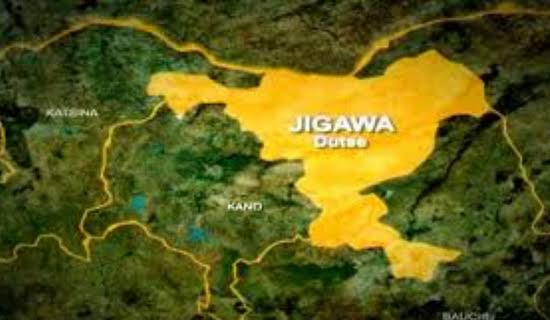
The Federal Government has released ₦11.58 billion for social-security payments to vulnerable residents of Jigawa State, expanding an intervention designed to help low-income households cope with economic hardship.
Jigawa Commissioner for Special Duties and Humanitarian Affairs, Auwal Dalladi Sankara, disclosed the development in Dutse, explaining that the programme covers beneficiaries across all 27 local government areas of the state.
A total of 178,342 beneficiaries are currently listed for the latest phase of the Renewed Hope Social Security Grant. The commissioner said the exercise is being implemented in stages as officials complete the distribution of payment cards and prepare eligible recipients for disbursement.
The initial phase began in January. During that exercise, more than 126,000 households reportedly received payment cards, while the latest stage is intended to reach additional beneficiaries who have been verified under the programme.
The current distribution involves 25,300 payment cards, with the state government targeting completion of the exercise by the end of August. Beneficiaries covered in this phase are expected to receive a combined ₦1.9975 billion.
The size of the grant has also changed. President Bola Tinubu approved an increase in the payment from ₦10,000 to ₦25,000 per cycle, giving recipients a larger amount of direct financial assistance amid continuing pressure on household budgets.
Sankara said the intervention is intended to provide more than immediate financial relief, noting that the money could also stimulate economic activity in communities where beneficiaries spend the funds.
“The main objective of the Renewed Hope Social Security Grant is to support less privileged families in improving their livelihood and nutrition security.”
The commissioner explained that recipients are expected to use the assistance for basic household requirements, including food and other essential expenses.
Increased spending by beneficiaries could, in turn, provide additional business for traders and small enterprises operating within their communities.
The Jigawa government said its administrative machinery has been supporting the federal programme. Governor Umar Namadi’s administration has continued to present poverty reduction and social intervention as important elements of its development agenda.
Figures released earlier in the year showed that 154,412 vulnerable households had been registered under the programme, with 126,636 beneficiaries having collected payment cards at that point. The subsequent figures indicate an expansion in coverage.
The intervention comes as federal and state authorities seek ways of cushioning vulnerable Nigerians against the effects of rising living costs.
Direct cash assistance has become one of the government’s mechanisms for providing targeted support to households considered most in need.
Officials are expected to continue the distribution process and beneficiary verification as the latest phase progresses.
For Jigawa, the federal allocation represents a substantial injection of funds into households across the state, while the government expects the programme to provide short-term relief and contribute to economic activity at the community level.



















