

Washington has moved closer to squeezing Russia’s energy earnings after the US Senate approved a major sanctions package that could expose countries buying Russian oil and gas to steep new tariffs.
The measure is intended to increase the economic cost of supporting Moscow while maintaining pressure over its war in Ukraine.
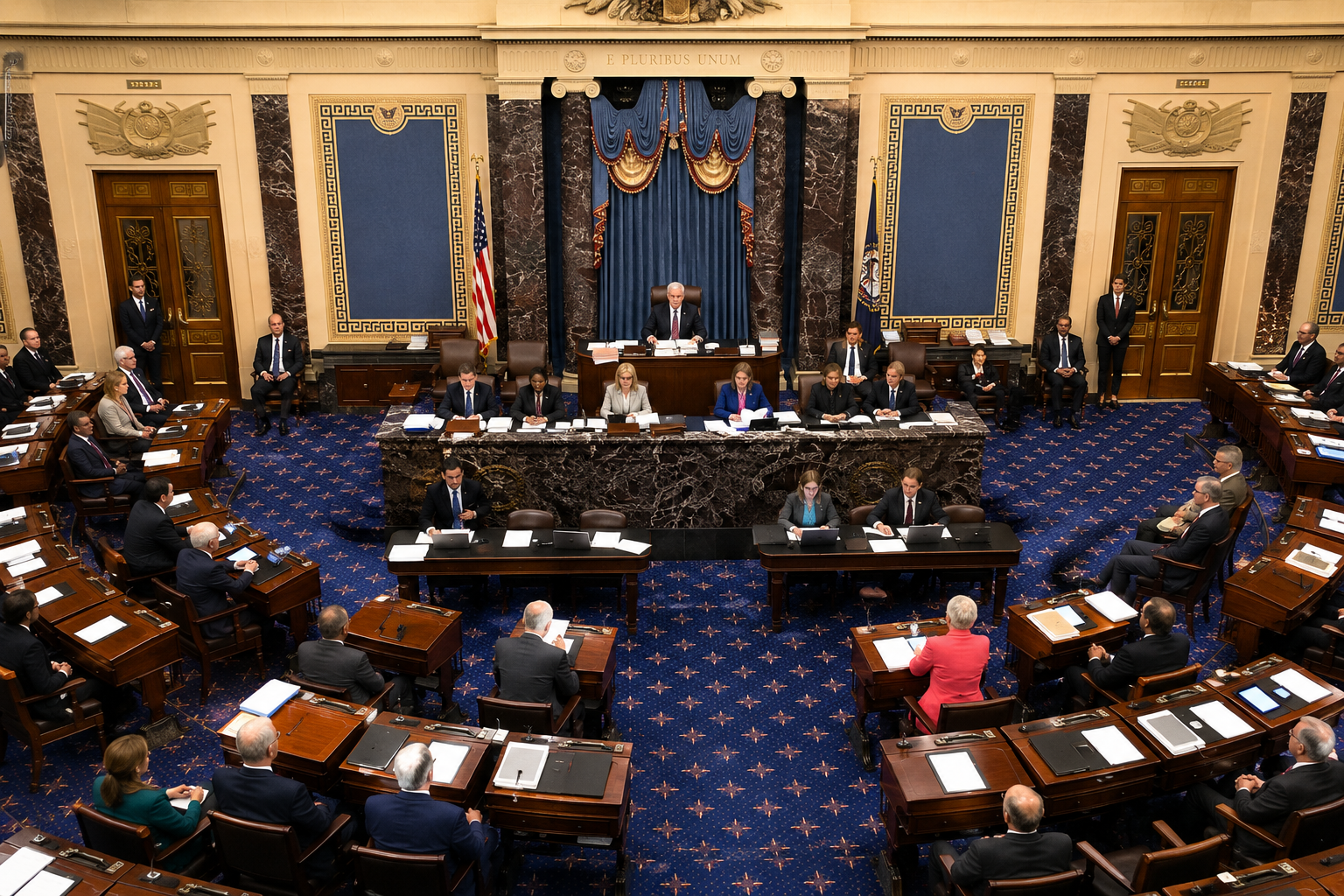
The Lindsey O. Graham Sanctioning Russia and Iran Act of 2026 passed the Senate on Friday by an 86–11 vote, giving the legislation strong bipartisan backing. The bill was named after the late South Carolina Republican senator, who had been one of its leading supporters before his death last month.
Under the proposed framework, the president could impose tariffs of up to 100 per cent on imports from countries that remain major purchasers of Russian energy.
The measure specifically seeks to pressure countries such as China, India and Japan, as well as some European nations, to reduce their dependence on Russian supplies.
The legislation goes beyond restrictions on Moscow itself. It also targets Russian officials and seeks to penalise foreign governments and companies that help Russia evade existing sanctions or maintain access to international energy markets.
Supporters believe the approach could weaken a major source of funding for Russia’s military campaign. By raising the economic consequences for countries that continue purchasing Russian crude and gas, lawmakers hope to make Moscow’s energy trade less profitable.
The bill also addresses Russia’s efforts to bypass Western restrictions through alternative shipping and trading networks. Its provisions are designed to make sanctions evasion more difficult and strengthen pressure on the country’s energy sector.
The Senate’s action followed a lengthy period during which the legislation faced uncertainty. Former Senator Graham had spent considerable time building support for tougher measures against Moscow, while President Donald Trump had previously preferred to retain control over sanctions policy within the White House.
Not every senator supported the proposal. Senator Rand Paul, a Kentucky Republican, opposed the bill and argued that tariffs ultimately function as taxes that can increase costs for Americans. An amendment from Paul and Democratic Senator Ron Wyden seeking to remove the tariff authority was defeated.
The legislation now faces its more uncertain stage in the House of Representatives, where some lawmakers have expressed reservations about granting Trump such broad tariff powers. Critics say the authority could be used too widely and potentially create additional costs for US businesses and consumers.
Democratic Representatives Gregory Meeks and Don Beyer have raised concerns about the tariff provisions, warning that they could give the president extensive powers with insufficient safeguards.
The White House and supporters of the bill argue that the proposed measures are specifically designed to pressure Russia and countries sustaining its energy market rather than impose broad economic punishment.
If approved by the House and signed by Trump, the legislation would mark a significant expansion of US economic pressure on Russia and its energy customers. The House is expected to consider the measure after lawmakers return from their summer recess later this month.
The Senate vote therefore represents an important step, but not the final outcome. The next major test will be whether the bill can overcome concerns in the House and ultimately become law.



















