

The Federal Road Safety Corps (FRSC) has informed the House of Representatives that it issued seven official government vehicle number plates to the Presidential Foreign Intervention Promotion Council (PFIPC) before questions emerged over the organisation’s legal status.
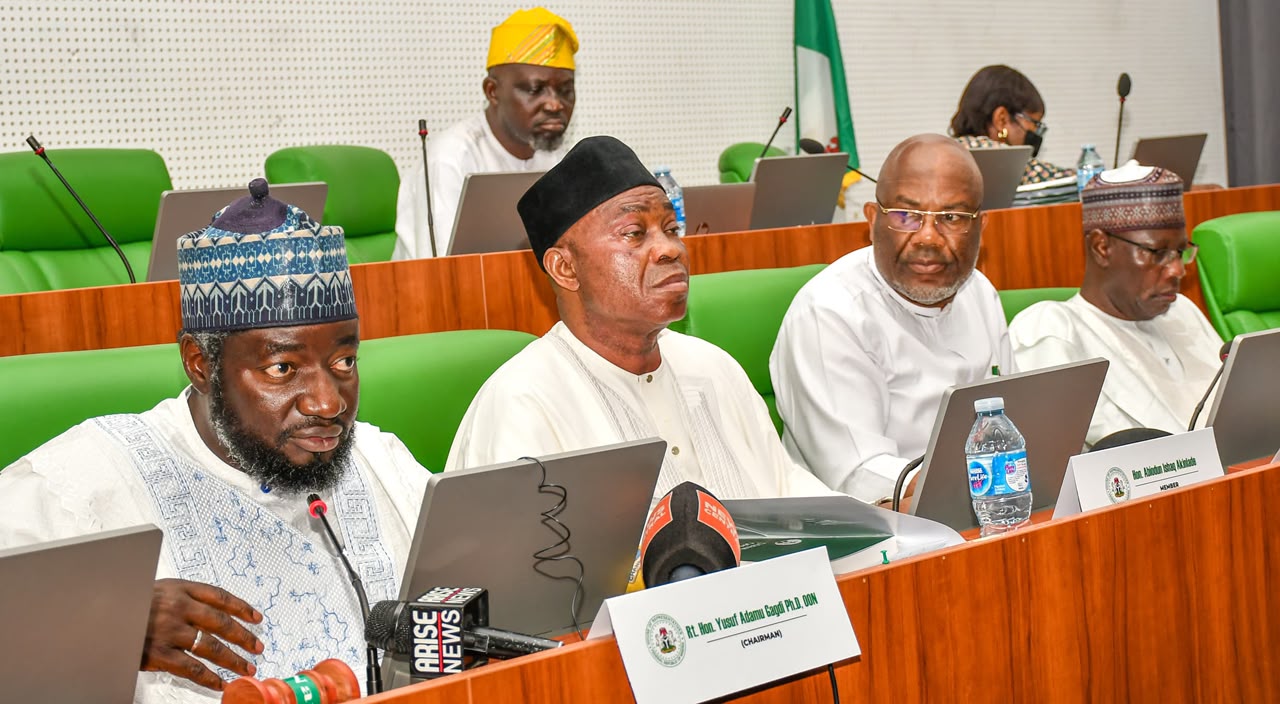
The disclosure came during an investigative hearing in Abuja, where lawmakers are examining how the council was able to obtain official government privileges despite later findings that it was not a legally established federal agency.
Officials representing the FRSC told the committee that the registrations were processed after the organisation submitted documents required under the agency’s registration procedures.
They explained that the Corps handled the applications based on the information available at the time and does not have the statutory responsibility to determine whether an applicant has been lawfully created by the Federal Government before issuing vehicle registration.
“Seven official number plates were issued to the PFIPC based on the documents presented.”
The lawmakers questioned whether the verification process adopted by the FRSC was sufficient, noting that the Independent Corrupt Practices and Other Related Offences Commission (ICPC) had already concluded that the PFIPC lacked any legal basis as a government institution.
Committee members expressed concern that shortcomings in administrative checks may have enabled an organisation without official recognition to obtain government vehicle identification.
Responding to the concerns, FRSC officials said the agency depends on documents and approvals submitted by applicants during the registration process.
They added that once investigations into the PFIPC began, the Corps made its records available to relevant authorities and has continued to cooperate with agencies handling the matter.
“The FRSC acted on the documents made available during the registration process.”
The committee said its investigation is not limited to the FRSC but extends to all government institutions that may have dealt with the PFIPC.
According to lawmakers, the objective is to determine whether existing verification procedures are robust enough to prevent individuals or organisations from obtaining official recognition or services through inaccurate or fraudulent documentation.
The PFIPC has remained the subject of multiple investigations after the ICPC reported that no law, executive instrument or other legal framework established the council as a Federal Government agency. The anti-corruption commission subsequently recommended criminal prosecution of the organisation’s promoter over allegations including forgery, impersonation and related offences. The Presidency has also maintained that the PFIPC is not part of any recognised federal institution.
The House committee said it will continue receiving evidence from relevant ministries, departments and agencies before preparing its final report.
Lawmakers indicated that the findings could lead to recommendations for tighter verification procedures, stronger inter-agency collaboration and improved safeguards to protect the credibility of official government registration and identification systems.



















