

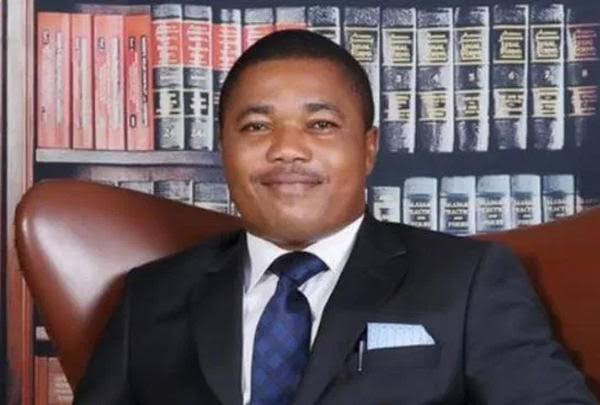
The burial of 27 victims killed in recent attacks has drawn renewed attention to Nigeria’s security challenges, with human rights lawyer Sir Ifeanyi Ejiofor describing the tragedy as evidence of the country’s inability to halt recurring mass violence.
In a statement released in Onitsha, Anambra State, after the Catholic Diocese of Kafanchan conducted the funeral rites for the victims, Ejiofor said the incident should serve as a national wake-up call rather than another passing headline.
According to him, the sight of 27 coffins lined up for burial reflected a painful failure of leadership and the state’s constitutional responsibility to guarantee the safety of its citizens. He maintained that behind every coffin was a family left grieving and a community scarred by violence, stressing that the country cannot continue to witness such tragedies without decisive action.
“The haunting image of 27 coffins is not merely a photograph; it is a searing indictment of our collective failure to protect innocent lives.”
Ejiofor warned that repeated attacks on innocent communities risk becoming accepted as routine if authorities fail to stop them. He argued that history has repeatedly shown that societies which ignore continuous acts of violence often create conditions that allow even greater atrocities to occur. He therefore urged Nigerians not to become indifferent to the growing loss of lives.
“History teaches that every genocide begins with the normalization of repeated atrocities and the collective silence that follows them. Nigeria must resist travelling that perilous path.”
The lawyer also expressed concern that political activities linked to the 2027 general elections appear to be taking priority over the urgent task of protecting lives. He said national conversations should focus first on ending bloodshed across affected communities instead of concentrating almost entirely on electoral calculations and power struggles.
Ejiofor equally defended members of the Catholic Bishops’ Conference of Nigeria over criticism that followed their recent engagement with President Bola Tinubu. He said religious leaders have a moral responsibility to speak whenever human life, justice and national peace are under threat. According to him, governments committed to democratic values should view such interventions as constructive contributions rather than acts of hostility.
“A government genuinely committed to solving national problems should welcome sincere criticism, particularly from respected institutions whose only interest is the preservation of human dignity and national stability.”
He called on the Federal Government and security agencies to move beyond expressions of sympathy after attacks by strengthening intelligence gathering, improving security operations and ensuring that those responsible are brought to justice. Ejiofor added that preventing future killings is the only meaningful way to honour the victims, insisting that Nigerians deserve lasting protection instead of repeated condolences after each tragedy.



















