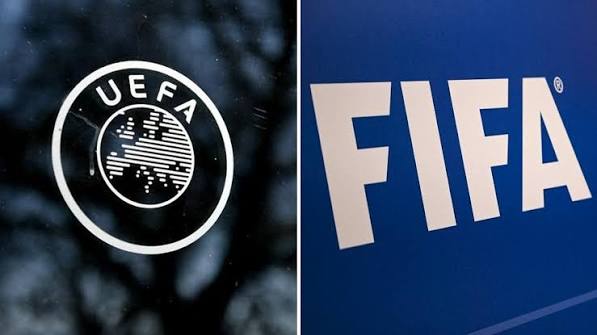
The dispute surrounding FIFA’s abandoned commercial investment proposal has entered a new phase after UEFA disclosed that it is examining legal options over the plan, a development that has intensified scrutiny of FIFA President Gianni Infantino’s administration. The disagreement has reopened debate about governance, transparency and the future commercial direction of world football.
At the centre of the controversy was FIFA’s proposal to transfer the commercial rights of its premier competitions into a newly created entity known as FIFA Forward Enterprise (FFE). The governing body intended to sell a minority stake—reportedly up to 20 per cent—to outside investors in a transaction estimated to be worth about $4.2 billion. The proposal was later withdrawn after attracting widespread criticism from football stakeholders.
“The World Cup is not for sale.”
UEFA argued that introducing private investors into the commercial structure of the World Cup represented a major policy shift that required extensive consultation with member associations before any decision could be made. The European football body has since directed its legal team to retain documents connected with the proposal as it evaluates possible legal and regulatory action.
The fallout has also begun to reshape football politics. Several European football associations are reportedly reviewing their support for Infantino ahead of FIFA’s next presidential election, with growing calls for stronger accountability within the organisation. Reports indicate that some national federations are considering backing an alternative candidate when the election takes place.
Questions over FIFA’s internal governance have been reinforced by the resignation of senior adviser Carlos Cordeiro shortly after the investment proposal was shelved. His departure, combined with criticism from former football executives and administrators, has increased pressure on the governing body to explain how the proposal was developed and why it advanced without broader consensus.
“Football’s governance must be based on transparency and accountability.”
Although FIFA has abandoned the investment initiative, the controversy continues to dominate discussions across international football. Administrators and analysts say the episode has exposed divisions between FIFA and some of its most influential member associations, raising concerns about trust in the organisation’s decision-making process.
Attention is now focused on the next steps UEFA will take if negotiations fail to resolve the dispute. Observers believe the outcome could influence future governance reforms within FIFA and shape how commercial decisions affecting global football competitions are handled in the years ahead.