

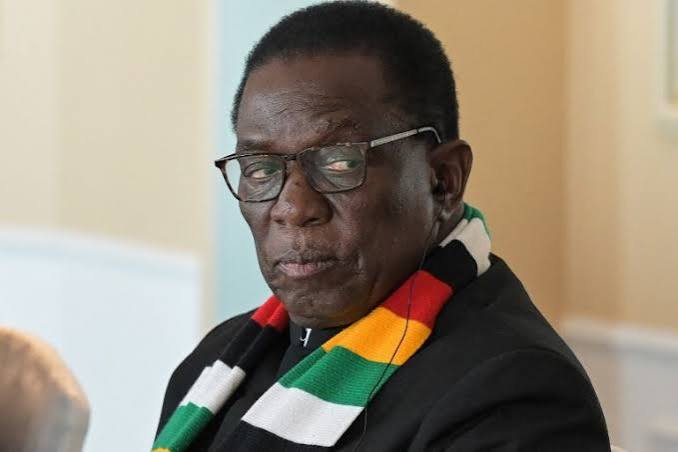
Zimbabwean President Emmerson Mnangagwa has signed into law constitutional amendments extending his tenure by two years to 2030, marking a significant change to the country’s political landscape.
The legislation, signed in Harare, was confirmed by government spokesperson Nick Mangwana after it secured approval from both houses of Parliament last month. The amendments postpone the next general election from 2028 to 2030 and increase the presidential term from five to seven years.
In a statement posted after the signing, Mangwana announced:
“Signed, sealed and delivered — it is now law.”
The new law also introduces major constitutional changes, including replacing direct presidential elections with a system under which Parliament elects the president. Supporters of the reforms argue the changes will promote political stability and ensure continuity in governance.
The development follows months of debate after the governing Zimbabwe African National Union – Patriotic Front (ZANU-PF) endorsed proposals to amend the Constitution. Backers of the plan have maintained that extending the terms of elected officials would allow the government to complete key national development programmes.
However, the amendments have drawn strong criticism from opposition parties, legal experts and civil society organisations, which argue that the changes weaken democratic principles and remove citizens’ right to directly elect their president. Several groups have also questioned the legality of the reforms, with court challenges expected to test the amendments.
Mnangagwa, 83, assumed office in 2017 after the resignation of former President Robert Mugabe and was elected to a second term in 2023. Before the constitutional amendments, he had been expected to leave office at the end of his second five-year term in 2028. The new law now allows him to remain in office until 2030, a move that is likely to shape Zimbabwe’s political direction in the years ahead.



















