

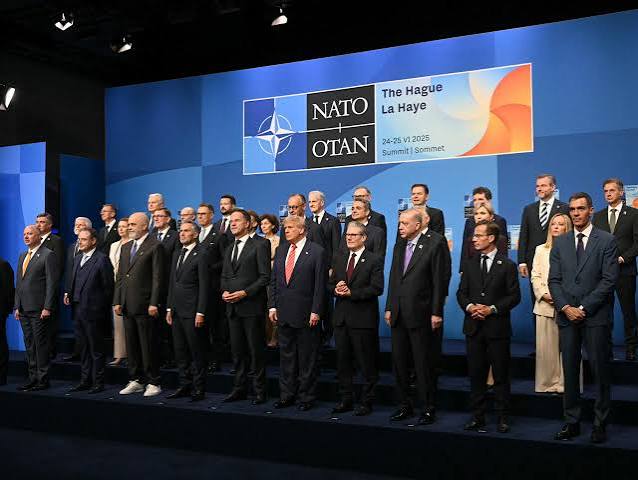
NATO member states used this year’s alliance summit in The Hague, Netherlands, to highlight major defence procurement commitments and expanded military spending, as leaders sought to reinforce transatlantic unity and secure the continued support of United States President Donald Trump.
The summit focused heavily on showcasing new arms purchases and increased defence investments following Trump’s longstanding insistence that European allies shoulder a greater share of the alliance’s security burden. Several member countries announced fresh commitments to acquire advanced military equipment, including US-made weapons systems, while reaffirming plans to raise defence spending to meet NATO’s new targets.
Speaking after the meeting, Trump welcomed the commitments, describing them as a significant step towards a stronger alliance.
“They’re stepping up. This is what I’ve been asking for.”
“It’s a great victory for NATO and for the United States.”
Alliance leaders agreed to work towards increasing defence expenditure to five per cent of gross domestic product (GDP) by 2035, combining direct military spending with broader security-related investments. NATO Secretary-General Mark Rutte said the decision reflected the changing global security environment and the need for members to strengthen collective defence.
“We are building a stronger, fairer and more capable alliance.”
“This is a defining moment for NATO.”
The summit also addressed continued support for Ukraine, regional security challenges and the expansion of defence industrial production across member states. European leaders stressed that increased military investment was driven by evolving security threats rather than political pressure alone.
While some governments acknowledged the financial implications of higher defence budgets, they argued that enhanced military readiness was essential to deter future threats and preserve stability across the alliance.
The emphasis on defence contracts was widely seen as an effort to demonstrate tangible progress on Trump’s demands, easing concerns over Washington’s long-term commitment to NATO.
Analysts said the announcements could strengthen defence cooperation between the United States and its allies while boosting transatlantic arms trade and military interoperability.
The summit concluded with member states reaffirming their collective defence obligations under Article 5 of the NATO treaty and pledging continued cooperation in responding to emerging global security challenges, even as discussions continue over how individual countries will finance their expanded defence commitments.



















