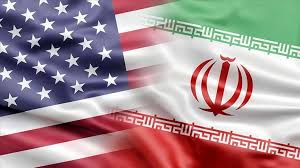
WASHINGTON/TEHRAN — US President Donald Trump said Iran had requested a meeting in Qatar on Tuesday, even as Tehran denied that any direct negotiations with Washington were scheduled, exposing fresh uncertainty over efforts to preserve a fragile agreement aimed at ending months of conflict in the Middle East.
“IRAN HAS REQUESTED A MEETING. IT WILL TAKE PLACE TOMORROW IN DOHA!” Trump wrote on his Truth Social platform on Monday, without saying who would attend or what would be discussed. Later, White House spokeswoman Karoline Leavitt said US envoy Steve Witkoff and Trump adviser Jared Kushner would travel to Doha for “high-level meetings” this week.
The US announcement came after Washington and Tehran agreed to pause recent military exchanges that had placed new pressure on a ceasefire and memorandum of understanding signed earlier this month. The deal is intended to end four months of hostilities and restore safe passage through the Strait of Hormuz, one of the world’s most important energy shipping routes.
Iran, however, rejected the suggestion that direct talks with the United States were imminent. Foreign Ministry spokesman Esmaeil Baghaei said an Iranian technical delegation would travel to Qatar this week, but insisted the visit had no connection to the presence of US officials in Doha.
“We will not have any negotiation meetings at any level with the American side in the coming days,” Baghaei said, adding that Tehran had not yet entered the stage of negotiating a final agreement. Iranian officials said the delegation’s visit was focused on implementing parts of the existing memorandum, including issues linked to frozen Iranian assets.
The conflicting accounts underline the deep mistrust that continues to shape US-Iran diplomacy despite the recent ceasefire. While Washington has presented the Doha discussions as a step toward stabilising the agreement, Tehran appears eager to avoid any impression that it is entering direct talks under pressure.
The diplomatic confusion follows renewed tensions around the Strait of Hormuz, where attacks and retaliatory strikes have threatened shipping and raised fears of a wider regional escalation. Oman, which has previously served as a key mediator between Washington and Tehran, has also held discussions with Iran on managing the waterway.
For now, Qatar appears set to host parallel diplomatic activity rather than confirmed face-to-face US-Iran negotiations. Whether that develops into direct engagement may determine whether the ceasefire holds — or whether the region returns to open confrontation.