

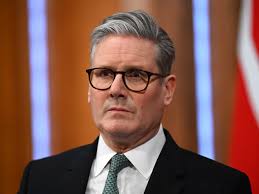
Less than two years after leading Labour to a landslide general election victory, British Prime Minister Keir Starmer has announced he will resign, ending a premiership that began with promises of stability but collapsed under the weight of policy reversals, internal rebellion and declining public support.
Starmer entered Downing Street in 2024 with a huge parliamentary majority and a pledge to end years of Conservative turmoil. But the scale of Labour’s victory quickly became a burden as voters expected rapid improvements on the economy, public services, immigration and the cost of living.
The first major cracks appeared over policy. Starmer’s government was accused of repeated U-turns on welfare, tax, energy and spending, angering both Labour’s left wing and parts of the party’s moderate base. Critics said the prime minister lacked a clear ideological direction, while allies argued he was trying to govern pragmatically during difficult economic conditions.
Public frustration deepened as Labour struggled to deliver visible change. The government faced pressure over slow growth, strained public services and rising concern about migration and crime. Reform UK gained ground by targeting disillusioned working-class voters, while the Conservatives sought to rebuild after their 2024 defeat.
The decisive blow came from within Labour. Poor local and regional election results weakened Starmer’s authority, with the party losing council seats and suffering setbacks in traditional strongholds. Reuters reported that pressure on Starmer intensified sharply after Andy Burnham won the Makerfield by-election, giving the former Greater Manchester mayor a route back into Parliament and the platform needed for a leadership challenge.
Burnham’s return changed the balance of power. Long seen as a potential Labour leader, he became the obvious alternative for MPs who believed Starmer could no longer lead the party into the next election. The Guardian reported that Burnham’s allies believed he could easily clear the nomination threshold, with support from well over 200 MPs.
Starmer eventually bowed to what allies described as political reality. He said he would step down as Labour leader but remain in office during an orderly transition.
The resignation leaves Labour facing a leadership contest, with nominations expected to open on July 9 and a new leader likely before September if the race is contested. Reuters reported that former Health Minister Wes Streeting has already backed Burnham, strengthening his position as frontrunner.
Starmer’s fall is a striking reminder that a large majority can quickly become fragile when political authority, public trust and party confidence begin to drain away.



















