

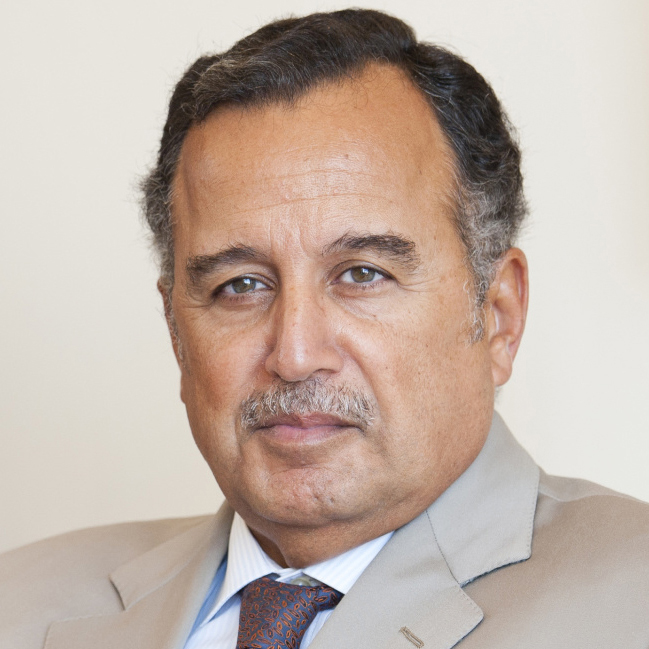
Veteran Egyptian diplomat Nabil Fahmy will assume office as secretary-general of the Arab League on July 1, succeeding Ahmed Aboul Gheit, who is completing his second term as head of the Cairo-based regional organisation.
Fahmy, 75, was unanimously nominated by Arab foreign ministers in March for a five-year term. He is expected to become the latest Egyptian to lead the 22-member bloc, continuing a long-standing tradition shaped by Egypt’s role as host of the Arab League headquarters.
The former foreign minister led Egypt’s diplomacy from 2013 to 2014, during a turbulent period following the military overthrow of President Mohamed Morsi. He also served as Egypt’s ambassador to the United States from 1999 to 2008 and later founded the School of Global Affairs and Public Policy at the American University in Cairo, where he is now dean emeritus.
Fahmy will succeed Aboul Gheit, also a former Egyptian foreign minister, who has led the Arab League since 2016. Aboul Gheit’s second term ends on June 30.
The Arab League has had only one non-Egyptian secretary-general in its history: Tunisian diplomat Chedli Klibi, who led the organisation in the 1980s after Egypt was suspended for signing a peace treaty with Israel. Egypt rejoined the League in 1989, and the body’s headquarters later returned to Cairo.
Fahmy’s appointment comes at a time of deep regional strain, with the Arab world facing the fallout from the Gaza war, the wider Iran-Israel confrontation, instability in Sudan, Lebanon and Syria, and persistent divisions among member states.
Speaking after his nomination in March, Fahmy described the post as a “great responsibility,” citing what he called violations of international law, attacks on Arab security and the continued denial of Palestinian rights. He did not name specific countries, but his comments echoed the Arab League’s long-standing criticism of Israeli occupation and regional military escalation.
Founded in 1945, the Arab League serves mainly as a political forum for Arab states to coordinate positions, debate regional crises and seek common diplomatic ground. Although often criticised for limited enforcement power, it remains a symbolic platform for Arab consensus.
Fahmy is expected to focus on restoring diplomatic coordination among member states and strengthening the League’s relevance amid some of the region’s most serious crises in decades.



















