

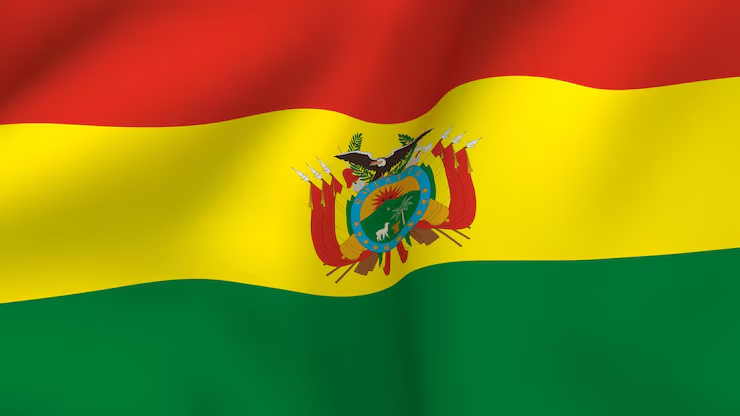
Bolivian President Rodrigo Paz has declared a state of emergency after weeks of nationwide protests and road blockades paralysed parts of the country, causing shortages of fuel, food and medical supplies.
The emergency measure, announced on Saturday, gives security forces expanded authority to clear roads blocked by protesters. The government said the blockades had severely disrupted transport routes, damaged the economy and prevented essential goods from reaching major cities.
The protests began after Paz’s administration removed fuel subsidies as part of wider austerity measures aimed at stabilising public finances and addressing a worsening dollar shortage. Demonstrators are demanding the restoration of fuel subsidies, increased funding for education, wage improvements and broader economic relief.
The unrest has lasted for about 50 days and has led to deadly clashes. Reuters reported that at least 14 people have been killed, while the Associated Press put the death toll at 17, with dozens injured and hundreds arrested.
Paz accused some protest leaders of trying to destabilise the country and said the state must act to restore order and protect citizens. His government has said the measure is aimed at reopening highways and ensuring the movement of food, fuel and medicine, not suspending constitutional rights.
The blockades have hit cities including La Paz and El Alto, where residents have faced long queues, rising prices and shortages of basic goods. Hospitals have also warned of pressure on medical supplies and access to care.
Although the government has reached agreements with some labour groups, several rural, Indigenous and transport organisations have continued protests, saying they were excluded from negotiations and that the government has failed to address the root causes of the crisis.
The protests have also taken on a political dimension. Paz, a centrist president who took office in 2025 after ending two decades of rule by the Movement for Socialism, has accused supporters of former President Evo Morales of encouraging unrest. Morales denies the accusation and says the protests reflect deep economic hardship and popular anger over government policy.
The crisis has drawn international attention. The United States has expressed support for Paz’s government and pledged emergency assistance to help address shortages caused by the blockades.
Analysts warn that the state of emergency may reopen roads in the short term but could deepen tensions if the government fails to address fuel prices, education funding and wider cost-of-living pressures.



















