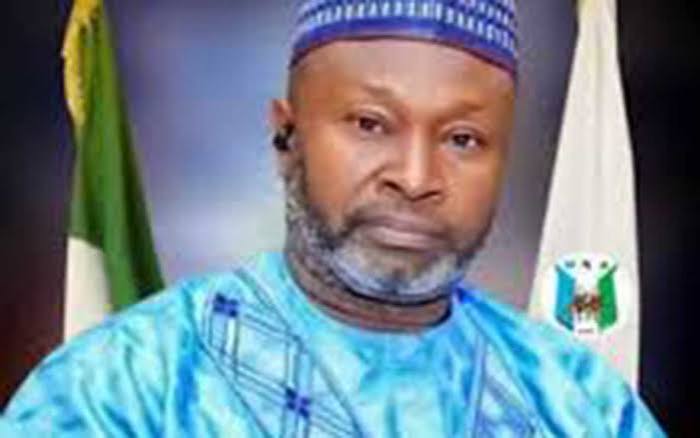
Chairman of the Inter-Party Advisory Council (IPAC) and National Chairman of the Allied People’s Movement (APM), Yusuf Dantalle, has said the resurgence of xenophobic attacks against Nigerians and other African nationals in South Africa underscores the urgent need for Nigeria to address its leadership and governance challenges.
Speaking on Channels Television’s Politics Today, Dantalle described the incidents as a stark reminder that Nigeria must strengthen its institutions, improve economic opportunities and restore public confidence in governance.
He argued that Africa’s most populous nation should occupy a leadership position on the continent and serve as a model for other countries.
According to him, the recurring attacks should encourage Nigerians to take a more active role in shaping the country’s future through informed electoral choices.
“What is happening — the xenophobic attack on Nigerians in South Africa and in some other African countries — is a call for us to come back and fix Nigeria.”
“Nigerians should elect who they want to fix Nigeria, not anybody deciding what should be done.”
“Africa is supposed to look up to Nigeria as a big brother.”
Dantalle maintained that a prosperous and well-governed Nigeria would reduce the economic pressures that push many citizens to seek opportunities abroad while strengthening the country’s influence across Africa.
His remarks come amid renewed anti-immigrant violence in parts of South Africa, where foreign nationals have been blamed by some groups for challenges including unemployment, poverty and rising crime.
The latest unrest has heightened fears among migrant communities, forcing many residents to seek safety while prompting several African governments to initiate emergency support measures for their citizens.
Nigeria has begun evacuating affected nationals, with the Federal Government confirming the airlift of an initial batch of 258 citizens from South Africa.
The development has reignited concerns over the safety of African migrants and renewed calls for stronger regional cooperation to combat xenophobia.
Analysts say the repeated outbreaks of violence highlight broader socio-economic tensions in South Africa, including high unemployment rates and growing public frustration over economic hardship.
Dantalle urged Nigerian political leaders to prioritise policies that promote economic growth, job creation and national development, stressing that addressing domestic challenges remains critical to restoring the country’s standing on the continent.
He also called for sustained diplomatic engagement among African governments to protect the rights of migrants and reinforce the ideals of regional integration and solidarity.
Observers say the latest attacks have once again exposed the fragility of intra-African relations and the need for collective action to address the root causes of xenophobia across the continent.