

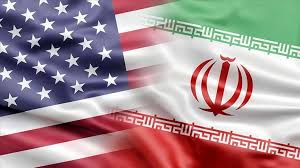
Supporters of United States President Donald Trump have hailed a newly announced deal to end the US-Israel war with Iran as a major strategic victory, even as key details of the agreement remain unclear.
The agreement, expected to be formally signed in Switzerland on June 19, was first announced by Pakistani Prime Minister Shehbaz Sharif, who said the United States and Iran had agreed to the immediate and permanent termination of military operations on all fronts, including in Lebanon. US and Iranian officials have also confirmed that a peace deal has been reached, though the final text has not been made public.
Trump and his allies presented the development as a breakthrough after months of fighting, saying it would reopen the Strait of Hormuz and ease pressure on global energy markets. Oil prices fell more than four percent after the announcement, reflecting expectations that maritime traffic through the vital waterway could resume.
Vice President JD Vance told Fox News that Trump had created “real space” to transform the Middle East, adding that he believed Iran would “never have a nuclear weapon.” Secretary of State Marco Rubio praised Trump’s leadership on X, while several Republican lawmakers described the president as a “deal-maker in chief.”
However, uncertainty remains over what the initial memorandum of understanding will actually include. Iranian officials have said the agreement would begin a 60-day negotiation period covering the nuclear programme, sanctions relief, frozen assets and the future administration of the Strait of Hormuz. Reuters previously reported that the two sides were still divided over the mechanism for releasing billions of dollars in frozen Iranian funds.
Republican Congressman Robert Aderholt claimed the deal would impose tougher limits on Iran than the 2015 nuclear agreement, which Trump abandoned in 2018. But there has been no public confirmation that the MOU contains immediate nuclear restrictions. Analysts have warned that both sides may interpret the wording differently, leaving difficult negotiations ahead.
Senator Lindsey Graham, a longtime advocate of a hard line against Tehran, welcomed the possible breakthrough but said he was concerned that Iran’s understanding of the agreement appeared to differ from Washington’s.
Democrats have questioned whether the war advanced US interests, noting that the Trump administration had initially promised to destroy Iran’s nuclear programme, weaken its military and encourage regime change.
Iran’s late Supreme Leader Ali Khamenei was killed during the February 28 US-Israeli strikes. His son, Mojtaba Khamenei, has since assumed the role, but Iran’s ruling establishment remains firmly in place.
The agreement may halt the fighting, but its durability will depend on unresolved negotiations over nuclear limits, sanctions, frozen assets and regional security.



















