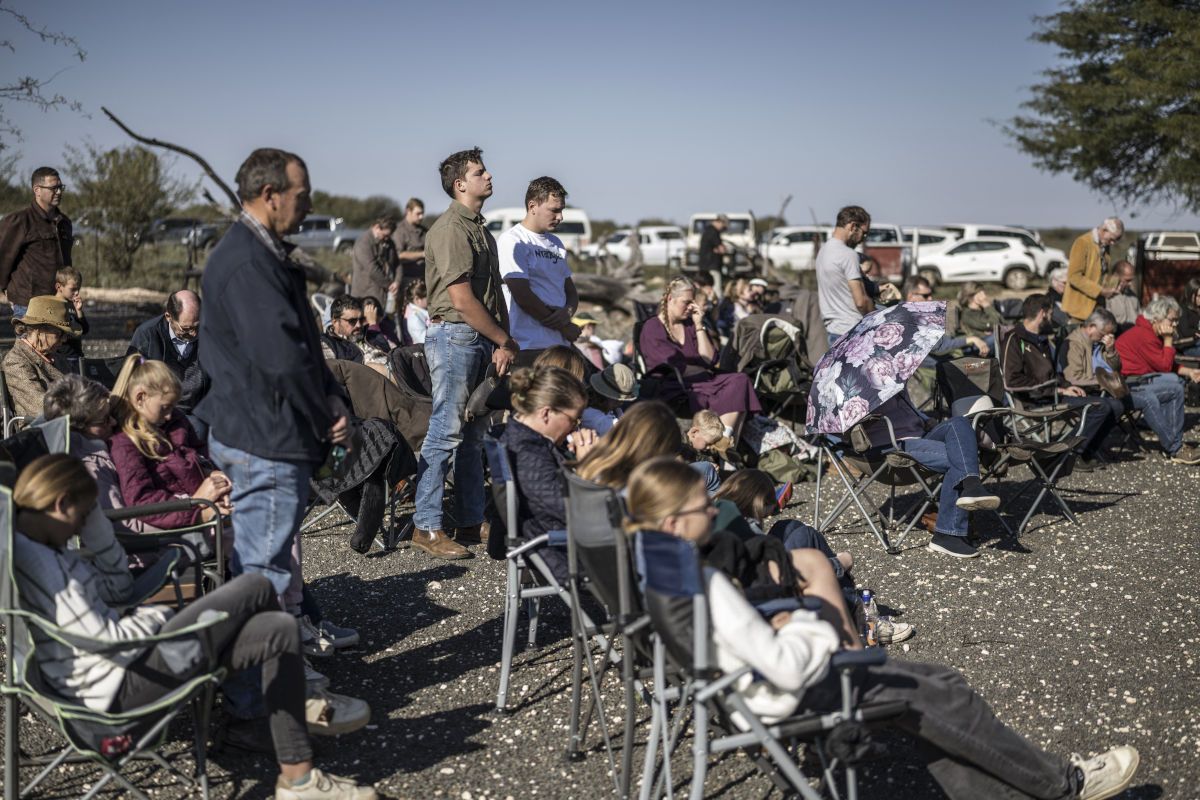
A growing number of young Afrikaners are reportedly moving to a secluded settlement in South Africa that promotes cultural self-determination and community-led development, highlighting renewed attention on the future of identity-based living arrangements in the country.
The settlement, commonly identified as Orania, has in recent years seen an uptick in interest from younger members of the Afrikaner community seeking an alternative social and economic environment. Residents and supporters describe the enclave as a space designed to preserve language, culture, and traditions while encouraging local economic independence.
The trend is being driven by a combination of factors, including unemployment concerns, cultural preservation goals, and dissatisfaction among some youth with conditions in broader South African urban centres. New arrivals are reportedly drawn by the promise of community-controlled services, small-scale entrepreneurship opportunities, and a tightly knit social structure.
Orania operates under a self-sufficiency model, with residents responsible for managing local infrastructure, employment initiatives, and education systems. The settlement’s leadership maintains that participation is voluntary and based on shared cultural values rather than exclusionary policies, framing it as a form of community autonomy.
However, the enclave remains controversial within South Africa’s broader political and social landscape. Critics argue that such settlements risk reinforcing historical divisions and undermining national efforts toward integration and equality. They contend that identity-based communities, particularly those with restrictive membership criteria, raise concerns about long-term social cohesion.
Supporters counter that Orania represents a lawful exercise of cultural preservation rights, emphasising that residents choose to live there and contribute to its development model. They point to its growing population, infrastructure expansion, and increasing interest from younger Afrikaners as evidence of its sustainability.
The rising attention around the settlement reflects ongoing debates in South Africa about identity, economic opportunity, and the balance between cultural autonomy and national unity. As more young Afrikaners consider relocation, Orania continues to attract both scrutiny and curiosity within and beyond the country.