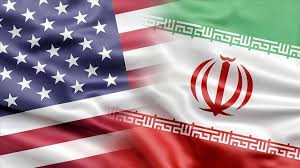
WASHINGTON — Diplomatic efforts to end the war between the United States and Iran have shown signs of movement, with officials in Washington suggesting that gaps have narrowed, even as major disagreements continue to block a final deal.
U.S. Secretary of State Marco Rubio said there were “some good signs” in the negotiations, but cautioned that any agreement would be impossible if Iran moves ahead with a proposed tolling system for vessels passing through the Strait of Hormuz. Rubio described such a plan as illegal and unacceptable, warning that control of the vital waterway remains one of the biggest obstacles to a settlement.
The talks, reportedly mediated by Pakistan with support from Saudi Arabia, Qatar and the United Arab Emirates, are focused on ending hostilities, reopening the Strait of Hormuz, easing pressure on global energy markets and placing new limits on Iran’s nuclear programme. Pakistani mediators are expected to present Tehran with a fresh proposal from the Trump administration.
President Donald Trump has said he is willing to wait a few more days for what he called the “right answer” from Iran, after earlier threatening renewed military strikes. The decision to pause military action has been interpreted by diplomats as a sign that Washington still sees room for a negotiated outcome.
However, Iran has said no agreement has been reached. Tehran is reviewing the latest U.S. proposal, but officials have continued to resist key American demands, including the removal of enriched uranium from Iran and long-term restrictions on uranium enrichment. Iranian officials have insisted that the country’s nuclear material must remain inside its borders.
The Strait of Hormuz remains central to the crisis. Since the conflict began, daily shipping through the waterway has fallen sharply, leaving vessels stranded in the Persian Gulf and disrupting global trade. Reuters reported that traffic has dropped from about 125 to 140 vessels a day before the war to roughly 10 during the crisis.
Oil markets have reacted cautiously. Prices rose on Friday as investors questioned whether the latest diplomatic momentum would produce a breakthrough. Brent crude traded above $100 a barrel, reflecting continued concern over supply disruptions and the uncertain status of the talks.
Despite the optimism, both sides remain under pressure. Washington wants a deal that curbs Iran’s nuclear programme and restores freedom of navigation, while Tehran is seeking sanctions relief, security guarantees and recognition of its role in managing the strait.
For now, the talks appear to have entered a critical phase. The tone has improved, but the hardest issues remain unresolved.