

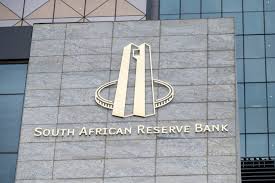
The South African Reserve Bank has raised its key interest rate to 7% in response to growing concerns over rising inflation risks and broader macroeconomic pressures in the country.
The decision was announced following the central bank’s latest monetary policy meeting, where policymakers assessed current inflation trends, exchange rate volatility, and global economic uncertainties. The rate adjustment reflects an effort to anchor inflation expectations and maintain price stability in the face of persistent cost pressures.
Authorities noted that inflation risks have intensified in recent months, driven by a combination of domestic and external factors, including elevated food and energy prices, currency fluctuations, and lingering supply-side constraints. These developments have placed additional strain on household budgets and increased the cost of living across key sectors of the economy.
By increasing the benchmark rate to 7%, the central bank aims to curb excess demand, support the currency, and prevent inflation from moving further outside its target range. The tightening move is also intended to reinforce confidence in the country’s monetary policy framework at a time of heightened global financial uncertainty.
Economists say the decision signals a cautious but firm stance by the monetary authorities, as they balance the need to control inflation with concerns about slowing economic growth. Higher interest rates typically lead to increased borrowing costs for consumers and businesses, which can dampen spending and investment activity in the short term.
However, policymakers argue that maintaining price stability remains essential for long-term economic sustainability. The bank has repeatedly emphasized that unchecked inflation could undermine purchasing power and weaken overall economic resilience.
Market participants are expected to closely monitor future policy signals for indications of whether the current tightening cycle is nearing its peak or if additional rate adjustments may follow, depending on inflation outcomes in the coming months.
The latest hike underscores the central bank’s continued commitment to safeguarding economic stability amid a challenging global environment and persistent domestic inflationary pressures.