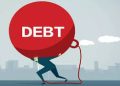
The Federal Government of Nigeria has reportedly spent only N3.1 trillion on capital projects within a nine-month period, despite raising about N11.9 trillion through borrowing over the same timeframe.
The figures highlight concerns over the gap between funds secured through debt and actual expenditure on infrastructure and development projects. Data covering the nine-month fiscal window show that while borrowing significantly increased, capital implementation remained comparatively low.
Capital expenditure, which typically covers infrastructure such as roads, power, housing, and other long-term development projects, accounted for a small portion of total fiscal activity during the period under review. Analysts note that the disparity raises questions about the pace of project execution and the efficiency of public spending.
The borrowing, amounting to N11.9 trillion, was largely undertaken to finance budget deficits and support government operations. However, the limited disbursement to capital projects suggests that a substantial share of the borrowed funds may have been directed toward recurrent expenditure obligations, debt servicing, and other fiscal commitments.
Economic observers have expressed concern that such a trend could undermine the intended developmental impact of borrowing, particularly at a time when Nigeria faces significant infrastructure deficits across multiple sectors.
The figures also add to ongoing debates around fiscal discipline, public debt sustainability, and the effectiveness of government spending in driving economic growth. While borrowing is often justified as a means of stimulating development, stakeholders argue that its impact depends heavily on timely and efficient capital project execution.
The report has renewed calls for improved budget implementation, stronger monitoring of public expenditure, and greater transparency in the management of borrowed funds. Experts say that aligning borrowing with productive investment is essential to ensure long-term economic stability.
As fiscal pressures persist, attention is expected to remain on how effectively the government converts borrowed resources into tangible development outcomes that can improve living standards and stimulate economic activity across the country.