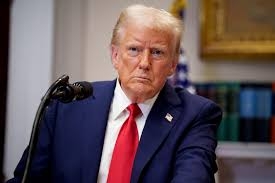
US President,Donald Trump has reiterated his hardline approach to negotiations, insisting that the United States will only agree to deals that he considers highly favorable. Speaking in a recent remark on his trade and diplomatic stance, Trump stressed that any agreement falling short of strong national benefit would be rejected outright.
“If it’s not a great deal we’re not making it,” he said, underscoring his long-standing position that transactional negotiations must clearly advantage the United States. The comment aligns with his broader political messaging, which often emphasizes deal-making, economic leverage, and prioritizing domestic interests in international agreements.
Trump’s statement comes amid ongoing discussions in U.S. political and economic circles about trade policy, international partnerships, and the terms under which the country should engage with foreign counterparts. His remarks are consistent with his previous administration’s approach, where tariffs, renegotiated trade agreements, and pressure tactics were frequently used to reshape existing economic relationships.
Supporters of Trump’s position argue that his approach strengthens the U.S. negotiating hand, ensuring that agreements are structured to maximize national gain. They view his insistence on “great deals” as a safeguard against what they describe as unfavorable or imbalanced international arrangements.
Critics, however, caution that such a rigid stance can complicate diplomacy and strain relationships with key allies and trading partners. They argue that successful negotiations often require compromise and mutual concessions rather than strict conditions centered on one side’s advantage.
The remark adds to ongoing debate about how the United States should position itself in global negotiations, particularly as economic competition and geopolitical tensions continue to evolve. Trump’s framing suggests that any future engagement, whether economic or diplomatic, would be judged primarily on perceived benefit to the United States, with little room for agreements he considers insufficient.
As discussions around trade and foreign policy continue, his statement reinforces a familiar theme in his political rhetoric: a focus on assertive negotiation and uncompromising standards in deal-making.