African governments and international partners have secured pledges totaling $498.8 million to strengthen the response to the ongoing Ebola outbreak affecting parts of the continent.
The funding commitment was announced following a high-level emergency meeting involving regional leaders, health officials, donor agencies and international humanitarian organisations focused on containing the spread of the virus and supporting affected communities.
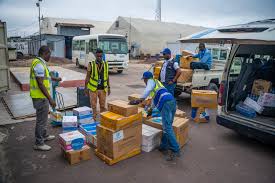
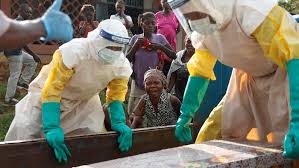
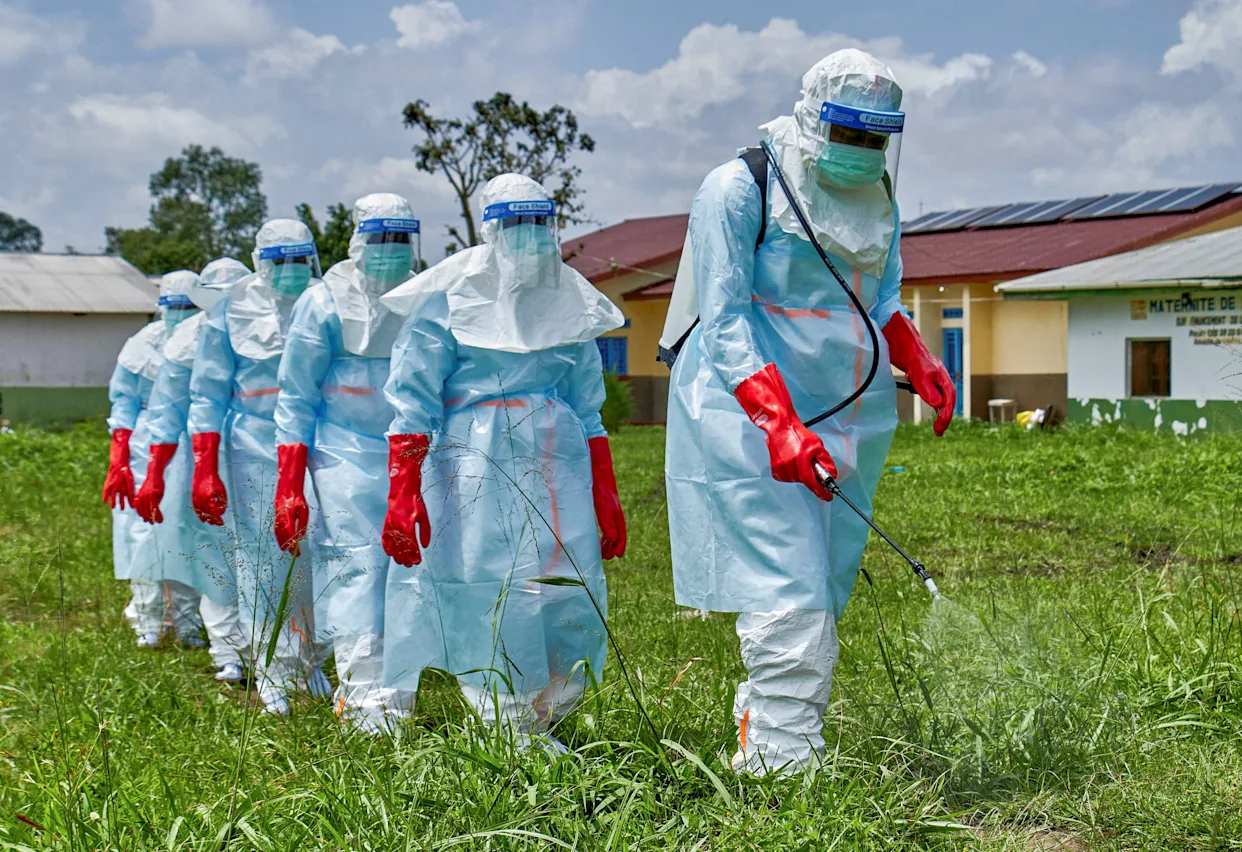
According to officials, the pledged funds will be directed toward emergency healthcare operations, vaccine deployment, treatment centres, disease surveillance and humanitarian assistance in countries battling the outbreak.
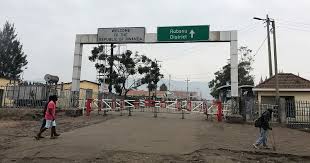
Health authorities said the support would also help improve laboratory testing, border monitoring and rapid response systems aimed at preventing cross-border transmission.
Representatives at the meeting stressed that swift financial intervention is essential to avoid a wider public health crisis.
“This support demonstrates Africa’s collective determination to confront the Ebola threat before it escalates further,” one official said during the discussions.
The outbreak has already strained healthcare systems in several countries, with humanitarian agencies warning that shortages of medical supplies, food insecurity and insecurity in conflict-hit areas are complicating containment efforts.
International partners, including global health institutions and donor governments, pledged additional technical and logistical support to assist frontline workers and national health agencies.
Public health experts warned that delayed funding in previous outbreaks contributed to avoidable deaths and prolonged transmission, urging governments to ensure the new commitments are rapidly disbursed.
Regional organisations also called for stronger coordination among African states, particularly in surveillance, data sharing and movement monitoring along porous borders.
The funding announcement comes amid growing concern over the spread of Ebola in vulnerable communities where poverty, displacement and weak healthcare infrastructure continue to heighten risks.
Humanitarian groups welcomed the financial pledges but stressed that sustained support would still be required to fully contain the outbreak and assist affected populations.
Authorities in affected countries have continued public awareness campaigns encouraging residents to report symptoms early and comply with health measures as emergency teams intensify response operations across the region.