BUNIA, DR Congo — Protesters have set fire to an Ebola treatment centre in eastern Democratic Republic of Congo after being blocked from retrieving the body of a suspected Ebola victim, highlighting growing fear and mistrust as health authorities struggle to contain a fast-spreading outbreak.
The incident took place on Thursday in Rwampara, near Bunia in Ituri province, one of the areas at the centre of the latest Ebola outbreak. Police fired warning shots and used tear gas after relatives and local residents demanded access to the body of Eli Munongo Wangu, a local footballer who health officials suspected had died from Ebola. His relatives reportedly disputed the diagnosis, saying he had suffered from typhoid, and wanted to bury him according to local customs.
Authorities said the crowd later set fire to tents being used to treat Ebola patients. Two tents were destroyed, along with a body that had been prepared for burial under public-health protocols. Six patients receiving treatment at the site were moved to another hospital for continued care.
The confrontation underscores one of the biggest challenges in Ebola response: safe burial. People who die from Ebola can remain highly infectious, and health teams often require bodies to be handled by trained workers using protective equipment. But in many communities, those rules clash with traditional burial practices, fuelling anger, suspicion and resistance.
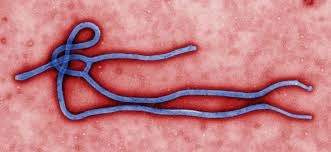
The outbreak, caused by the Bundibugyo strain of Ebola, was declared by Congolese health authorities on May 15. The strain has no approved vaccine, making rapid isolation, contact tracing and safe burials especially important. The U.S. Centers for Disease Control and Prevention said that as of May 20, the outbreak had been reported in 11 health zones in Ituri and North Kivu provinces.
Congolese authorities have recorded 61 confirmed cases, about 670 suspected cases and 160 suspected deaths, according to Reuters. A confirmed case has also been reported in South Kivu, far from the original epicentre, raising concern that the virus may have spread undetected for weeks.
Health agencies warn that insecurity, misinformation and limited resources are complicating the response in eastern Congo, where armed conflict has weakened public services and displaced many communities. The World Health Organization has said the outbreak is likely larger than officially reported and is spreading rapidly.
For health workers, the attack in Rwampara is a dangerous setback. It not only destroyed treatment infrastructure but also risks exposing more people if contacts leave the area before being traced and monitored.