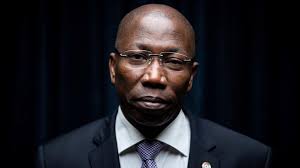
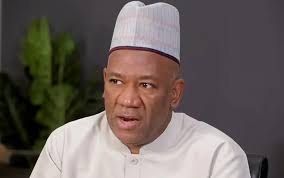
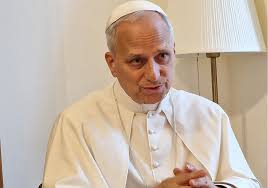
President Bola Tinubu has approved a minor cabinet reshuffle that removes Finance Minister Wale Edun and Housing and Urban Development Minister Ahmed Dangiwa from the Federal Executive Council, in what appears to be the most significant adjustment to his economic team since taking office. The changes were announced Tuesday in an official statement, with Taiwo Oyedele elevated from Minister of State for Finance to Minister of Finance and Coordinating Minister of the Economy, while Muttaqha Rabe Darma was named ministerial nominee for the Housing and Urban Development Ministry.
According to the statement, Edun is to hand over to Oyedele, while Dangiwa is expected to transfer responsibilities to the minister of state in the housing ministry pending the completion of Darma’s appointment process. The handover, the memo said, is to be concluded by the close of business on April 23, 2026. The directive was signed by Secretary to the Government of the Federation George Akume, who said the reshuffle was intended to strengthen cohesion in government and improve policy delivery under Tinubu’s Renewed Hope Agenda.
Akume said the President acted within the powers granted to him under Sections 147 and 148 of the 1999 Constitution, as amended. He added that the changes were aimed at improving “synergy in governance” and ensuring more impactful economic management. Tinubu also thanked the outgoing ministers for their service and signalled that further adjustments to his cabinet could still follow, saying the process of reinvigoration would remain continuous.
Oyedele’s promotion places a prominent tax reform advocate at the centre of Nigeria’s economic management at a time of persistent inflation, weak consumer purchasing power and pressure on the naira. Reuters reported in March that Oyedele, formerly PwC’s fiscal policy partner and Africa tax leader, was brought into government as minister of state after leading Tinubu’s Presidential Committee on Fiscal Policy and Tax Reforms. He has been one of the most visible architects of efforts to simplify Nigeria’s tax regime and raise revenue without deepening the burden on businesses.
Edun’s exit is likely to draw particular attention because of his central role in implementing some of the administration’s most consequential economic reforms, including subsidy removal and currency market liberalisation. Although the reshuffle was officially framed as routine, replacing the finance minister suggests Tinubu is seeking a fresh push on economic coordination as his government tries to convert reform measures into broader public gains.
With Darma now awaiting confirmation for the housing portfolio, the reshuffle leaves Oyedele as the clearest immediate winner, elevating him from junior minister to one of the most powerful positions in Tinubu’s cabinet.