Nigeria’s industrial fishing sector is under severe strain as surging diesel prices force operators to keep most trawlers at the jetty, cutting supplies to markets and pushing up the price of fish in Lagos and beyond. Industry figures say more than 80% of vessels operated by members of the Nigerian Trawlers Owners Association, NITOA, are currently grounded because the cost of fuel has made commercial trips increasingly uneconomical. Reports from Lagos this week said traders at Ijora Fish Market were already seeing a sharp drop in the volume of fish landed by Nigerian trawlers, fuelling concerns about scarcity in one of the country’s most important seafood hubs.
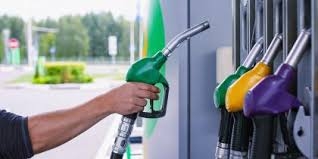
The core problem is diesel, known locally as Automotive Gas Oil, which powers industrial fishing vessels. Industry sources told Nigerian media that diesel prices have jumped from about ₦900 per litre to between ₦1,800 and ₦2,000 per litre, more than doubling operating costs for trawler companies. That range broadly matches external fuel-price tracking, which put Nigeria’s diesel price at about ₦2,023.75 per litre in early April.
Operators say the economics of deep-sea fishing have now become unsustainable. A typical industrial fishing voyage can last around 50 days, and sector representatives say many vessels now return with catches too small to justify the fuel bill. Rather than keep recording losses, companies are choosing to dock their vessels. According to reports citing NITOA-linked sources, the effect is cascading across the value chain: fewer boats are sailing, less fish is reaching the market, and prices are climbing for consumers already under pressure from broader inflation and food costs.
The impact is not limited to industrial trawlers. Oladele Robinson, national executive secretary of the Fisheries Cooperatives Federation of Nigeria, said both the industrial and artisanal segments are being hit because small-scale operators rely more heavily on petrol while larger vessels depend on diesel. In both cases, fuel costs are eroding margins and reducing fishing activity. That matters for food security in a country where fish is one of the most affordable and widely consumed sources of protein.
Industry sources now warn that close to 10,000 direct and indirect jobs could be at risk if there is no relief. The concern extends beyond vessel owners to seafarers, processors, transporters and market traders whose livelihoods depend on a functioning fishing fleet. For now, the crisis is exposing how vulnerable Nigeria’s seafood supply chain is to energy-price shocks: when fuel becomes unaffordable, boats stop sailing, markets thin out, and ordinary households pay the price.