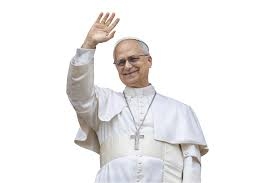
Pope Leo XIV paid a historic one-day visit to Monaco on Saturday, becoming the first pope to visit the principality since 1538 and using the occasion to urge one of the world’s wealthiest enclaves to place its prosperity and influence at the service of justice, peace and the common good. The visit, rich in pageantry and symbolism, brought the pontiff to a country better known for finance, luxury tourism and diplomacy than for its religious identity, yet one where Roman Catholicism remains the state religion.
Arriving by helicopter from Rome, Leo was welcomed by Prince Albert II and Princess Charlene before greeting crowds from the Prince’s Palace and later celebrating Mass at Stade Louis II. The Vatican and outside observers alike cast the trip as far more than a ceremonial stop. Monaco may cover only about 2.08 square kilometres and have a population of around 38,000, but its international visibility gives it an influence disproportionate to its size. In his public remarks, Leo tied that prominence to a moral obligation to promote solidarity in a world marked by widening inequality and conflict.
The pope’s message was notably pointed. Reuters reported that Leo urged Monaco’s wealthy residents to use their fortunes to help those in need, while the Associated Press said he warned against the “idolatry of power and money” that fuels injustice and war. He also linked the principality’s prestige to a wider duty to defend peace and uphold human dignity, reinforcing the Vatican’s effort to sharpen its public voice in a Europe shaped by secularisation, geopolitical tension and ethical debate.
Leo’s programme also included meetings with Monaco’s Catholic community, young people and catechumens, highlighting the visit’s pastoral dimension as well as its diplomatic one. Vatican officials had presented the journey as a recognition of the role small states can play in international life, especially when they combine wealth, visibility and institutional stability. For Monaco, the visit offered a chance to project moral seriousness beyond its glamorous image; for the Vatican, it was an opportunity to challenge Europe’s elite from within one of its most affluent corners.
The trip was Pope Leo’s second foreign visit since his election and an early sign of how he intends to use papal travel: not only to reach the margins, but also to confront centres of privilege with a call to responsibility. In Monaco on Saturday, that call was unmistakable.