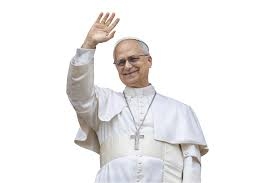
Pope Leo XIV will make history on April 13 when he arrives in Algeria, becoming the first pope ever to visit the North African country as part of an 11-day African tour that will also take him to Cameroon, Angola and Equatorial Guinea. The Vatican says the trip, scheduled for April 13 to 23, is intended to promote peace, interfaith dialogue and pastoral outreach in a region of growing importance to the Catholic Church.
In Algeria, where Islam is the state religion, Leo is due to celebrate Mass at the Basilica of Our Lady of Africa in Algiers and later travel to Annaba, a city closely associated with Saint Augustine, one of Christianity’s most influential theologians. According to the Vatican’s published itinerary, the pope will spend April 13 to 15 in Algeria before continuing to Cameroon. The visit carries strong symbolic weight, coming just days after the 30th anniversary of the killing of seven Catholic monks during Algeria’s civil war, a tragedy that still resonates deeply in the country’s Christian memory.
While Algeria is preparing for a historic religious moment, the mood in Equatorial Guinea has been more tense. Pope Leo is scheduled to visit the country from April 21 to 23, with stops in Malabo, Mongomo and Bata, where he is expected to meet President Teodoro Obiang Nguema Mbasogo, celebrate public Masses and visit sites of pastoral and national significance. Vatican and Catholic news reports say the trip is being welcomed by many church faithful as an important recognition of the country’s long Christian history.
But the visit has also sparked discontent over how it is being funded. Africanews, citing AFP reporting and local testimonies, said civil servants and members of the armed forces have faced salary deductions ranging from 20,000 to 55,000 CFA francs to help finance the pope’s visit. Reports also say some students have been required to buy papal-themed clothing to participate in official events, prompting criticism in a country where poverty remains widespread despite substantial oil wealth. Public dissent is rare in Equatorial Guinea, where Obiang has ruled for decades, making the complaints particularly notable.
Despite the controversy, Pope Leo is still expected to meet prisoners and visit a memorial site during his stay in Equatorial Guinea, underscoring the Vatican’s effort to balance high-level diplomacy with gestures toward reconciliation and human dignity. For the Church, the tour is both a pastoral mission and a geopolitical signal: Africa is increasingly central to Catholicism’s future, even as local realities ensure that every papal visit carries political weight as well as spiritual meaning.