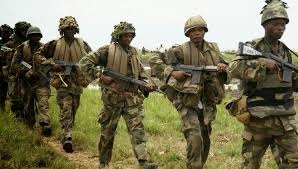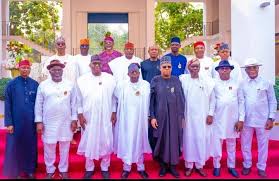
State governors across Nigeria are increasingly split over the establishment of state police, as worsening insecurity continues to fuel debate on how best to address the country’s security challenges.
While some governors have renewed calls for decentralised policing, arguing that state-controlled forces would respond more effectively to local threats, others have expressed reservations, warning that such a system could be abused for political purposes.
Supporters of state police maintain that the current centralised structure has overstretched federal security agencies, making it difficult to tackle rising cases of banditry, kidnapping, and insurgency across various regions. They argue that empowering states with their own police formations would enhance intelligence gathering and rapid response capabilities.
Opponents, however, caution that without strong legal and institutional safeguards, state police could be misused by political leaders to target opponents and suppress dissent. They have called for comprehensive reforms and consensus-building before any major shift in policing structure is implemented.
The division comes amid growing public concern over persistent insecurity nationwide, with renewed pressure on both federal and state authorities to adopt more effective strategies to restore safety and stability.