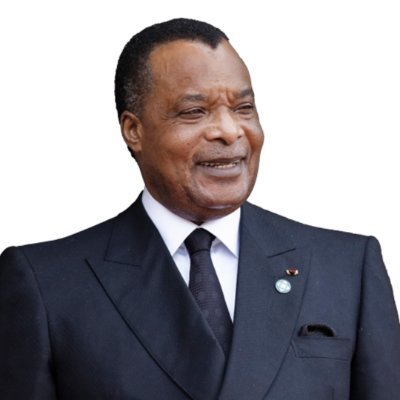
President Denis Sassou N’Guesso has formally announced he will run in the Republic of Congo’s presidential election set for March 15, 2026, ending months of speculation after repeated calls from ruling-party officials for him to seek another term.
The 82-year-old leader made the declaration on February 5 during a public event, a date with clear political symbolism: it marks the anniversary of his first rise to power in 1979. He ruled from 1979 to 1992, returned after the 1997 civil war, and has remained president since, winning elections in 2002, 2009, 2016 and 2021.
Sassou N’Guesso’s continued eligibility traces back to the 2015 constitutional referendum, which removed key term and age restrictions that would otherwise have blocked another candidacy. That reform was heavily contested by opponents at the time and remains a major fault line in Congolese politics.
The latest announcement comes amid familiar opposition concerns over electoral fairness and state dominance by the ruling Congolese Labour Party. Critics have long argued that previous votes were tilted in favor of the incumbent, while authorities have consistently defended the process.
With the campaign period approaching, analysts say the central question is no longer whether Sassou N’Guesso will run, but whether challengers can mount a unified, credible alternative in a political field historically fragmented and constrained. Early indications suggest the incumbent enters as clear favorite, with several lesser-known contenders expected on the ballot.
If re-elected, Sassou N’Guesso would further cement one of the continent’s longest uninterrupted modern presidencies at a time when economic pressure, youth unemployment and governance concerns are increasingly shaping public debate in the oil-producing Central African state.