

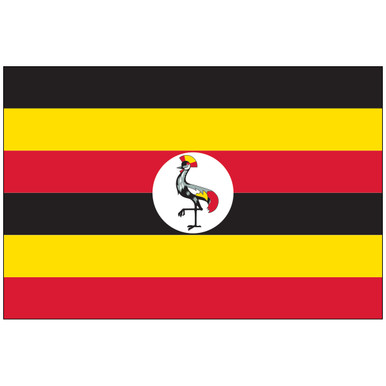
Uganda’s Electoral Commission on Saturday declared President Yoweri Museveni the winner of the country’s general election, awarding him 71.65% of the vote and extending his rule into a fifth decade in power. Opposition leader Robert Kyagulanyi Ssentamu, popularly known as Bobi Wine, took 24.72% and said he would not accept the official outcome, calling the results “fake.”
The vote, held on Thursday, unfolded under an internet shutdown that authorities defended as a measure against misinformation but which rights advocates and opposition figures said undermined transparency and independent monitoring. Security forces were heavily deployed nationwide during the campaign and on election day, and there were reports of clashes and pockets of violence as tensions rose around both the presidential and parliamentary contests.
A major flashpoint was the failure of biometric voter identification machines at multiple polling stations, particularly in urban areas such as Kampala, an opposition stronghold. With biometric verification disrupted, election officials reverted to manual voter registers. Opposition leaders and civil society groups argue that the switch weakened safeguards intended to deter impersonation and ballot manipulation, and are expected to make the biometric breakdown central to any legal challenge.
Wine also alleged “massive ballot stuffing” and claimed his polling agents were abducted or blocked from accessing stations, limiting oversight of the process. The African Union observer mission, cited in Associated Press reporting, said it did not find evidence of ballot stuffing but urged stronger preparation and administration for future elections.
In the immediate aftermath, Wine’s National Unity Platform said he was under arrest or effectively detained at his home, raising fears of escalation. Police rejected that characterisation. Police spokesperson Kituuma Rusoke said Wine was “not under arrest,” adding that while Wine could leave, authorities had imposed “controlled access” around the residence to prevent gatherings that could be used to incite unrest.
Museveni, who first took power in 1986, has benefited from a political system that critics say heavily favours incumbency, including strong influence over the security apparatus and electoral environment. Reuters noted ongoing speculation about succession, including whether Museveni is positioning his son, army chief Muhoozi Kainerugaba, for a future leadership role—an idea Museveni has denied.
Uganda has not experienced a peaceful transfer of presidential power since independence in 1962, and political space remains contested. Veteran opposition figure Kizza Besigye, a four-time presidential candidate, has remained in detention on treason charges dating to 2025, according to Reuters and independent fact-checking.



















