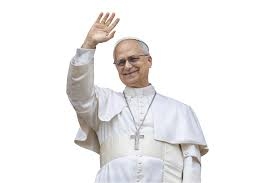
ANKARA / VATICAN CITY — Pope Leo XIV has urged world leaders to step back from what he called “a heightened level of conflict on the global level,” warning that “the future of humanity is at stake” as he began a high-profile foreign trip to Turkey and Lebanon.
Speaking in Ankara at the start of his visit, the pontiff appealed directly to Turkish President Recep Tayyip Erdogan to use his regional influence “as a source of stability,” stressing the need to “promote dialogue and stability rather than escalation.”
The journey, planned originally by the late Pope Francis, comes amid multiple ongoing wars and days after Israeli airstrikes on Beirut, where Leo will travel later this week. Since his election in May, the new Pope has embraced the same overarching theme Francis championed: building bridges between faiths, peoples and traditions.
Leo repeated a stark warning first coined by his predecessor, describing contemporary conflicts in Ukraine, Syria, Myanmar and elsewhere as a “third world war fought piecemeal.” Until now he has been viewed as cautious and measured, but his diplomatic instincts will be closely tested on this trip.
Historic stop in Nicaea
A key moment will be Leo’s visit to Iznik, the site of ancient Nicaea, where he and leaders of other Christian traditions will commemorate the 1,700th anniversary of the Council of Nicaea. In 325 AD, more than 200 bishops affirmed the belief that Jesus is the Son of God, laying the foundations of the Nicene Creed and formal Christian doctrine.
Though Eastern and Western Christianity later split dramatically, the gathering is being framed as a powerful symbol of reconciliation and unity, with messages of “healing old divisions” expected to feature prominently.
In Turkey, Leo will also visit Istanbul’s Blue Mosque, following in the footsteps of Popes Benedict XVI and Francis, and meet Muslim, Orthodox and other religious leaders in a renewed gesture of interfaith dialogue.
Lebanon leg unchanged despite airstrikes
The Vatican says plans for the Lebanese leg of the journey remain unchanged despite recent Israeli strikes on Beirut. There, the Pope will meet Christian, Muslim and other faith leaders and hold an encounter with young people, offering encouragement to a country where roughly a third of the population is Christian.
On the final day, Pope Leo will celebrate Mass on Beirut’s waterfront at the site of the 2020 port explosion, praying for the more than 200 people killed and thousands injured in one of the worst disasters in the country’s history.
Balancing progressives and traditionalists
In his first six months, Leo XIV has carefully walked a line between progressive and traditional currents within the Catholic Church. He has upheld Francis’ emphasis on migrants’ dignity and peace, while paying close attention to more conservative voices and avoiding overtly partisan political interventions.
That balancing act is widely seen as a reason cardinals from different camps rallied behind him in the conclave, hoping he could cool some of the internal tensions that marked Francis’ later years.
While Francis often made intensely personal, highly visible gestures — such as his daily phone calls to Gaza’s Holy Family Church during the 2023–24 war — Leo has favoured broader appeals to end violence rather than case-by-case commentary.
Still, meetings with Erdogan and Lebanese leaders may draw him into more explicit remarks on the Middle East. As is customary, Leo is expected to speak with journalists on the flight home, offering his own reflections on the trip and the conflicts he has addressed.
One change the world will hear more clearly on this journey is his voice itself. Raised in Chicago and fluent in several languages, Pope Leo will deliver most of his public speeches in English during the Turkey leg, switching to French and English in Lebanon — a global pope, this time speaking with a distinctly Chicagoan accent.