

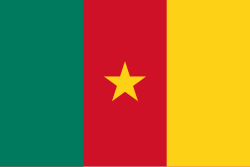
YAOUNDÉ — Cameroonians voted Sunday in a closely watched election widely expected to hand President Paul Biya another seven-year term, extending a tenure that began in 1982. The 92-year-old incumbent cast his ballot at a primary school in the capital under tight security as polls opened across more than 31,000 stations nationwide.
Biya faces nine challengers, including former allies and cabinet members such as ex-tourism minister Bello Bouba Maigari and former employment minister Issa Tchiroma Bakary. But analysts say the electoral system strongly favors the incumbent: Cameroon uses a single-round, first-past-the-post vote, limiting prospects for a unified opposition front and making an outright upset unlikely.
The contest unfolds amid overlapping crises. In the Anglophone west, a secessionist conflict between English-speaking militants and government forces has ground on for years, displacing civilians and deterring turnout in some communities. In the far north, Boko Haram attacks spilling over from neighboring Nigeria continue to rattle border areas. Those security challenges layer atop deep socioeconomic strains; UN estimates suggest roughly 43% of Cameroonians live in poverty by core measures of income, education and health.
Election authorities said about 8 million registered voters — including more than 34,000 in the diaspora — were eligible to participate. Polls closed at 6 p.m. local time, with preliminary tallies expected immediately at local centers and official nationwide results due by October 26. Opposition representatives and civil society groups urged vigilance during counting, citing concerns about access for observers in conflict-affected regions and the timely publication of results.
Biya’s health — and frequent extended stays in Europe — has long fueled speculation about succession in a country that has had only two leaders since independence from France in 1960. Day-to-day governance is often delegated to senior party figures and family members, critics say, even as the ruling RDPC touts continuity, macroeconomic stability and infrastructure projects as reasons to retain the president.
For many young voters in a nation of more than 29 million, the election underscores a stark generational divide. Some first-time voters voiced skepticism that the process can deliver change; others said they were determined to participate regardless. “Things have to change,” said one voter in Yaoundé, citing high living costs and poor services — themes echoed across opposition rallies in recent weeks.
Whether the ballot ushers in policy shifts or simply extends the status quo, the next government will confront an urgent agenda: calming unrest in the Anglophone regions, bolstering security in the north, and tackling stubborn poverty and joblessness. For now, Cameroon waits for the count — and for clarity on the shape of its political future.



















