

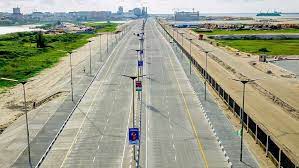
Lagos, Nigeria — The Lagos–Calabar Coastal Highway has sparked a fresh row as a consortium of diaspora-backed investors urged President Bola Tinubu to step in and protect a tourism and real-estate development they say is being compromised by the road’s construction.
In a statement on Sunday, Engr. Stella Okengwu, a Nigerian developer representing hundreds of overseas investors, warned that the dispute—centred on a 20-hectare project site in Lagos—could undermine the administration’s Renewed Hope economic agenda and damage investor confidence if not swiftly addressed.
“I stand here not just as a developer, but as a proud daughter of Nigeria representing hundreds of diaspora investors who believed in the Renewed Hope vision of President Bola Ahmed Tinubu,” Okengwu said, accusing Works Minister Engr. David Umahi of “ministerial overreach” and actions that “risk reputational harm to the presidency and raise concerns about the rule of law.”
Okengwu said the 2021 project, designed as a tourism-driven model to attract diaspora capital, comprises 2,500 serviced plots of about 400sqm each, valued at roughly ₦150 million per plot—an estimated ₦375 billion in total. She alleged that a diversion in the coastal highway alignment has affected about 400 plots and extensive site works, including sand-filling, drainage and community infrastructure—losses she pegged at roughly ₦85 billion.
Responding to insinuations about the origin of funds, Okengwu said all inflows complied with Central Bank of Nigeria and anti-money laundering regulations, moved via licensed channels such as Sendwave, MoneyGram, Lemfi, Western Union, Boss Money and TapTap, and certified by the Special Control Unit Against Money Laundering (SCUML). “Any insinuation suggesting otherwise is false and defamatory,” she added.
She also clarified that the dispute is before the Federal High Court in Lagos (Suit No. FHC/L/CS/10063/25), countering claims that judgment had been delivered for the federal government. Citing the Supreme Court’s ruling in Gov. of Lagos State v. Ojukwu (1986), she argued that no party—government included—should take unilateral steps while litigation is pending.
“By invoking the President’s name in a matter before the court, the minister has placed the presidency in the line of legal and diplomatic fire,” she said, calling for a pause on all actions at the site pending judicial determination.
The investors urged President Tinubu to reaffirm judicial independence, halt disruptive activity at the contested site, and establish an independent panel to quantify financial exposure and recommend remedies. They also cautioned against “distortions and conflicting public statements” on the project’s size, investor composition and private-sector inputs, warning of reputational risks that could “erode public trust and harm Nigeria’s global image.”
“Mr President, Nigeria stands at a constitutional and moral crossroads,” Okengwu said. “Either we protect the Constitution, diaspora investment, and Nigeria’s international reputation—or we allow ministerial excesses to erode decades of trust. The world is watching.”
The Ministry of Works had not issued a formal response at press time. The Lagos–Calabar Coastal Highway is a flagship project of the Tinubu administration, billed to unlock trade, tourism and logistics along Nigeria’s southern corridor. Critics, however, have urged greater transparency, rigorous environmental and social safeguards, and fair compensation where rights are affected.



















