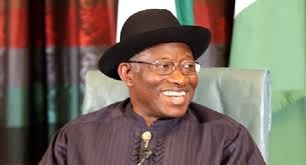
Abuja, Nigeria — A Nigerian lawyer, Johnmary Chukwukasi Jideobi, has filed a suit at the Federal High Court in Abuja seeking to stop former President Goodluck Jonathan from contesting the 2027 presidential election and to restrain the electoral umpire from accepting his nomination.
In the suit marked FHC/ABJ/CS/2102/2025, Jideobi lists Jonathan as 1st defendant, the Independent National Electoral Commission (INEC) as 2nd defendant, and the Attorney-General of the Federation (AGF) as 3rd defendant. He asks the court for a perpetual injunction preventing Jonathan from presenting himself for nomination in 2027 “and other years to come,” and an order restraining INEC from receiving or publishing Jonathan’s name as a presidential candidate.
The plaintiff poses a single question for determination: whether, on a “combined reading” of Sections 1(1)-(3) and 137(3) of the 1999 Constitution (as amended), Jonathan is eligible “under any circumstances” to run for president again. He seeks declaratory reliefs that Jonathan is ineligible, that INEC lacks power to accept his nomination, and that the AGF must ensure compliance with any orders of the court.
In a supporting affidavit deposed to by Emmanuel Agida, the plaintiff argues that if Jonathan were to win a four-year term in 2027, his cumulative time in office would exceed the constitutionally permitted maximum. He contends Jonathan “completed the unexpired term of late President Umaru Musa Yar’Adua and subsequently served a full term,” thereby reaching the limit envisaged by the Constitution.
The filing references media reports suggesting Jonathan could seek the presidency in 2027. It adds that without court intervention, a political party may field him, potentially leading to a post-election crisis over eligibility. The plaintiff says he brings the case as an advocate of constitutionalism and to forestall a breach of the supreme law.
Section 137(3)—introduced by constitutional alteration in the last decade—addresses scenarios where a person completes another president’s term, and has been the subject of public debate over whether and how it applies to former presidents or vice presidents who assumed office mid-term. Legal opinions have differed on whether Jonathan, who first took office in May 2010 following Yar’Adua’s death and then won a single term in 2011, falls within its prohibition.
Neither Jonathan nor INEC had filed a response at press time, and the court has not yet fixed a hearing date. The AGF is also yet to comment.
If granted, the orders sought would pre-empt any party primary from featuring Jonathan and would bar INEC from processing his name for the 2027 ballot.