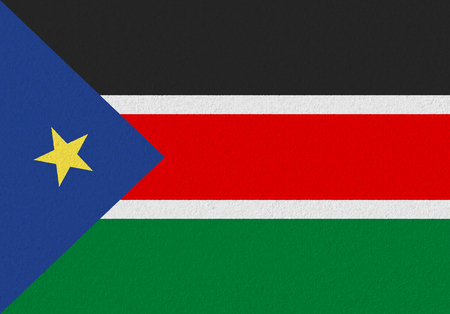
JUBA — The high-profile trial of South Sudan’s suspended Vice President Riek Machar has deepened anxieties over the country’s tenuous stability, with diplomats and rights groups warning that the proceedings could imperil the 2018 peace deal underpinning the transitional government.
Machar appeared in a Juba courtroom this week inside a cage, alongside seven co-defendants, to face charges including treason, crimes against humanity, terrorism, and conspiracy. He had not been seen in public since being placed under house arrest in March, after authorities accused him of involvement in an attack on government troops. The hearing was adjourned until Monday.
President Salva Kiir suspended Machar earlier this month, a move legal analysts say may collide with key provisions of the 2018 accord that split power between the two rivals after a civil war that killed nearly 400,000 people and displaced millions. Defense lawyers argue the trial undermines the agreement’s political arrangements and confidence-building measures, while government officials insist the case targets criminal acts, not political speech.
Civil society groups are sounding the alarm over the ethnic undertones of the case. Edmund Yakani, executive director of the Community Empowerment for Progress Organization (CEPO), called the proceedings a manifestation of an elite “power struggle” that has “taken an ethnic dimension,” noting that all eight defendants hail from the same community. He warned that prosecuting top opposition figures risks hardening mistrust just as many South Sudanese are re-embracing the peace accord as the pathway from violence to political transition. “The peace agreement has become more relevant,” he said, cautioning that the courtroom drama is, in effect, substituting for the public dissemination and implementation the accord has lacked.
Rights advocates also raised due-process concerns over the security-heavy courtroom setup, the breadth of the charges, and the potential use of the case to sideline political opponents ahead of delayed national elections. Diplomats urged restraint and called for impartial monitoring of the trial, emphasizing that any perceived politicization could trigger a cycle of retaliation among armed actors and derail security-sector reforms.
With the government and opposition already trading accusations over ceasefire violations, the spotlight now falls on whether Juba can balance accountability and reconciliation and on whether the court will proceed in a manner seen as legitimate across South Sudan’s fractured political landscape.