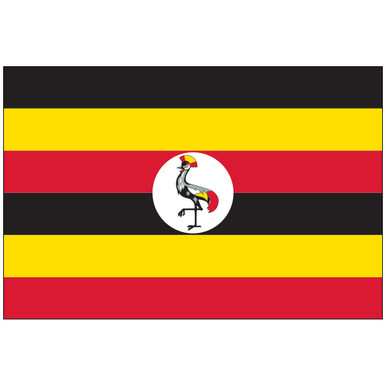
KAMPALA — Uganda is heading for a high-stakes election in January 2026 after President Yoweri Museveni, 81, confirmed he will seek another five-year term against opposition leader Robert Kyagulanyi—better known as Bobi Wine the 43-year-old pop star turned politician who energizes the country’s youthful electorate.
Museveni, in power since 1986, will run under the ruling National Resistance Movement (NRM), touting decades of macroeconomic growth, road and energy projects, and relative stability after the turmoil of the 1970s–80s. He has pledged a campaign centered on wealth creation, education, health services, and a renewed anti-corruption drive, arguing continuity is key to Uganda’s development trajectory.
Critics counter that longevity has come at the expense of democracy. They cite constitutional changes that removed presidential term limits (2005) and age limits (2017), recurring crackdowns on opposition rallies, and persistent rights abuses reported by civil society groups. Opposition parties also point to patronage networks and state dominance of the airwaves as entrenched advantages for the incumbent.
Bobi Wine, who finished second in 2021 and rejected the official results as fraudulent, formally submitted his candidacy in Kampala alongside his wife at the Electoral Commission. Presenting himself as the face of a new generation, he has vowed to tackle youth unemployment, expand basic services, and restore rule of law. His National Unity Platform (NUP) has built support through grassroots mobilization and social media, though it faces frequent restrictions on assembly.
With over three-quarters of Ugandans under 35, the contest is widely framed as a clash between continuity and change. Key issues likely to shape the race include cost of living, jobs, education, and the pace of infrastructure-led growth outside the capital. Observers will watch for signals on security force conduct, media freedom, and internet access, all flashpoints in past cycles.
The Electoral Commission says it is refining the voter roll and logistics; opposition groups are demanding independent observation, transparent results transmission, and safeguards against intimidation. Regional partners will track Kampala’s handling of campaign freedoms while balancing Uganda’s central role in East African security and refugee hosting.
For now, the lines are clear: an octogenarian incumbent promising stability through experience, versus a forty-something challenger urging a generational reset. How Uganda manages the campaign environment may prove as consequential as the vote itself.