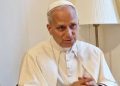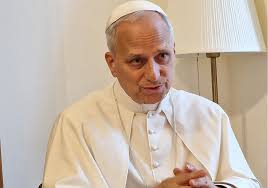
Pope Leo has issued a strong warning over the rapid advancement of artificial intelligence, cautioning that unchecked development of the technology could intensify global instability and potentially fuel “endless wars” if not properly regulated.
Speaking on the growing influence of AI in military, political, and economic systems, the pontiff urged world leaders to consider a coordinated global pause on further development to allow time for ethical frameworks and international safeguards to be established.
He expressed concern that artificial intelligence, if deployed without adequate oversight, could accelerate armed conflict by lowering barriers to warfare, increasing automation in weapons systems, and reducing human control over critical military decisions. According to him, such developments risk deepening global insecurity and undermining efforts toward lasting peace.
The Pope called on governments, technology companies, and international organisations to work together in setting binding rules that ensure AI is developed and used in ways that protect human dignity and promote peace. He stressed that technological progress must not outpace moral responsibility.
He further warned that the concentration of AI capabilities in the hands of a few powerful actors could widen global inequalities and create new forms of domination, particularly affecting poorer nations that lack access to advanced technologies or regulatory capacity.
Highlighting the urgency of global cooperation, Pope Leo said the world is at a critical point where decisions made today will shape the future of warfare, labour, and human interaction for generations to come. He encouraged a “shared ethical responsibility” among nations to prevent the misuse of emerging technologies.
The pontiff also referenced historical moments when humanity introduced powerful technologies without fully anticipating their consequences, cautioning that AI could represent a similarly transformative and potentially dangerous turning point.
His remarks add to growing international debate over the regulation of artificial intelligence, as governments and institutions struggle to balance innovation with safety concerns, particularly in areas involving autonomous weapons and surveillance systems.
Religious leaders, ethicists, and policymakers have increasingly joined calls for stronger global governance of AI, arguing that the technology’s rapid evolution requires urgent international consensus.
Pope Leo’s appeal for a temporary pause is expected to reignite discussions at global forums on how best to manage the risks associated with artificial intelligence while still harnessing its potential benefits for society.