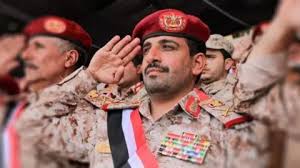
The Houthis are a powerful armed movement from Yemen, formally known as Ansar Allah. They originate from the country’s Zaidi Shia Muslim minority, a sect concentrated in northern Yemen, and first emerged in the 1990s as a religious and political revivalist group opposing what they saw as marginalisation and foreign influence.
The group took its name from its founding family and gradually evolved into a significant military force. By 2014, the Houthis had seized Yemen’s capital, Sanaa, triggering a wider conflict that drew in a Saudi-led coalition backing the internationally recognised government. The war has since caused one of the world’s most severe humanitarian crises.
Although the Houthis insist they act independently, they are widely regarded as being aligned with Iran, which provides them with political backing and, according to Western officials, military support. This connection places them within a broader regional network sometimes referred to as the “axis of resistance.”
In recent years, the Houthis have expanded their operations beyond Yemen. They have launched missiles and drones toward Israel and targeted commercial shipping in the Red Sea, saying their actions are in solidarity with Palestinians and aimed at pressuring Israel and its allies.
Despite repeated military campaigns against them, the Houthis remain firmly entrenched in northern Yemen and continue to play a central role in both the country’s internal conflict and the wider Middle East tensions.