Nigeria has confirmed that recent US-led air strikes using MQ-9 Reaper drones targeted Islamic State–linked militants near the country’s northwestern border, in a move officials describe as a major escalation in counterterrorism operations.
Information Minister Mohammed Idris, speaking on state television, said Abuja approved the joint operation, which came weeks after sharp criticism from Washington over Nigeria’s handling of attacks on Christians.
He said the strikes focused on two major Islamic State enclaves in the Bauni axis of Tangaza Local Government Area, Sokoto State. According to Idris, 16 GPS-guided precision munitions were deployed, “successfully neutralising” fighters attempting to infiltrate Nigeria from the Sahel corridor.
Debris from the expended munitions reportedly fell in Jabo (Tambuwal LGA, Sokoto) and Offa (Kwara State) near a hotel compound, but Idris stressed that no civilian casualties were recorded and that security agencies quickly secured the affected locations.
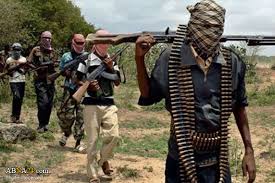
The operation underscores growing US–Nigeria security cooperation but also highlights the scale of Nigeria’s security crisis. In the northeast, Islamic State affiliates tied to the Boko Haram insurgency continue to mount attacks despite more than a decade of military campaigns. In the northwest, groups such as the Lakurawa exploit dense forest terrain as bases for raids on rural communities and security forces.
While authorities in Abuja have welcomed the strikes as a boost to counterterrorism efforts, analysts caution that external drone operations alone cannot resolve Nigeria’s deep-rooted insurgency and armed criminality, pointing instead to the need for broader reforms in governance, policing, intelligence, and rural development.