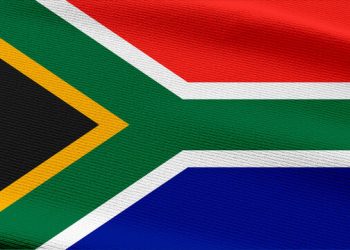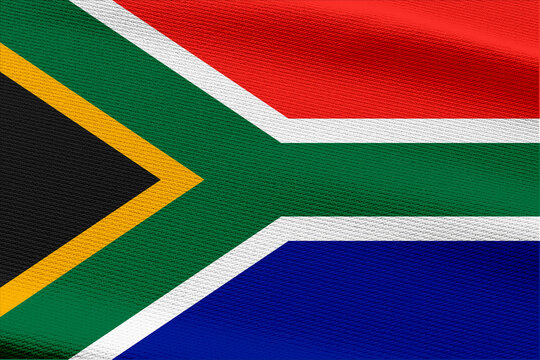
PRETORIA — South Africa has formally decided to withdraw its troop contribution from the United Nations peacekeeping mission in the Democratic Republic of Congo (MONUSCO), with the pullout expected to be completed before the end of 2026, according to the Presidency. President Cyril Ramaphosa has already informed UN Secretary-General António Guterres of the decision.
Pretoria said the move follows 27 years of South African participation in MONUSCO and is driven by the need to “consolidate and realign” the resources of the South African National Defence Force (SANDF). South Africa currently has more than 700 personnel deployed under the mission.
The government emphasized that withdrawal does not mean diplomatic disengagement from Congo. Instead, it said South Africa will work with the UN to finalize timelines and operational modalities, while maintaining close ties with Kinshasa and continuing support for regional, continental and UN-led peace initiatives.
The announcement comes at a sensitive moment for eastern DRC, where armed group violence has intensified in recent months. MONUSCO’s mandate—recently renewed by the UN Security Council—remains focused on civilian protection and stabilization in a conflict zone marked by long-running insurgencies and cross-border tensions. The mission’s force structure is still sizable, with roughly 11,000 troops and police in-country under the renewed framework.
For South Africa, the exit signals a strategic rebalancing: reducing a long overseas military commitment while preserving political engagement in regional security diplomacy. For MONUSCO, it raises practical questions about force generation and burden-sharing as one of its major African troop contributors prepares to leave. (This is an inference based on South Africa’s stated withdrawal and MONUSCO’s current security mandate.)
Analysts will now watch three pressure points through 2026: whether the withdrawal schedule remains on track, whether replacement capacity is mobilized within the UN system, and whether security conditions in eastern Congo improve or deteriorate during the transition period.