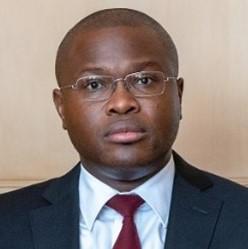
DAKAR, Senegal — Senegal’s parliament speaker, El Malick Ndiaye, has resigned, clearing the way for ousted Prime Minister Ousmane Sonko to seek the leadership of the National Assembly and potentially challenge President Bassirou Diomaye Faye from within parliament.
Ndiaye announced his resignation on Sunday, two days after Faye dismissed Sonko as prime minister and dissolved the government following months of mounting tension between the two former allies. In a statement, Ndiaye said the decision was “a personal choice” guided by his understanding of institutions, public responsibility and the national interest.
The move is politically significant because Sonko’s Pastef party holds a strong majority in the National Assembly. If Sonko becomes speaker, he would gain a powerful institutional platform at a time when relations between him and Faye have sharply deteriorated. Al Jazeera reported that Ndiaye’s resignation clears the path for Sonko to run for the post.
Faye fired Sonko on May 22 and dissolved the cabinet after a prolonged power struggle inside the ruling camp. The two men rose to power together in 2024 after Sonko, then barred from running for president because of a defamation conviction, backed Faye as his substitute candidate. Their alliance helped end the rule of former President Macky Sall, but policy disagreements and rival centres of influence later strained the partnership.
The crisis comes at a difficult time for Senegal’s economy. Reuters reported that the country’s $1.8 billion IMF programme was suspended after debt misreporting, with public debt projected to reach 132 percent of GDP by the end of 2024. Sonko and Faye had also clashed over economic choices, including debt restructuring and fuel-price policy.
Sonko remains a highly influential figure, especially among young voters and supporters of the anti-establishment Pastef movement. His possible return to parliament as speaker could complicate Faye’s ability to pass reforms, negotiate with international lenders and stabilise the government.
The president has not yet named a new prime minister. Until he does, Senegal faces uncertainty over the direction of its economic programme and the balance of power between the presidency and parliament.
For a country long viewed as one of West Africa’s more stable democracies, the split between Faye and Sonko has opened a volatile new chapter. Ndiaye’s resignation suggests the confrontation may now shift from the cabinet to the National Assembly.