Nepal is facing fresh political uncertainty as the search for a new leader intensifies, while the army has reclaimed control of the streets following days of violent protests.
According to local reports, the unrest began after growing public anger over corruption, unemployment, and government inefficiency boiled over into mass demonstrations. However, what started as peaceful protests quickly descended into violence, leaving several injured and prompting security forces to intervene.
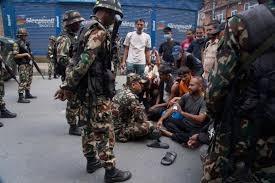
As the clashes escalated, the government called in the army to restore calm. Armoured vehicles were deployed in major cities, and curfews were imposed to curb further unrest. Authorities stressed that the measures were necessary to protect lives and property.
“The safety of our citizens remains the government’s top priority, and the army has been tasked with ensuring law and order,” an official said.
Meanwhile, Nepal’s ruling coalition is struggling to reach a consensus on who will succeed the outgoing prime minister. Political analysts warn that the leadership crisis is further deepening public frustration, making it harder to stabilise the country.
Furthermore, international observers have expressed concern about the escalating situation. Human rights groups urged authorities to respect citizens’ right to protest peacefully while also condemning acts of violence that threaten national security.
Experts have also argue that Nepal’s future will depend on both political compromise and institutional reforms. Without decisive leadership, they warn, the cycle of protest and crackdown could continue.
窗体底端